15 Beautiful Brown House Front Door Colors for Every Home Style
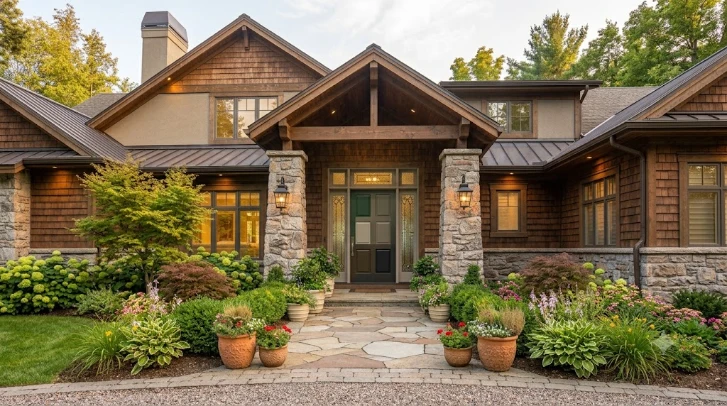
A brown home has a timeless appearance that works beautifully with both classic and modern architecture. The right front door color can highlight its natural warmth, improve curb appeal, and make the entrance feel more welcoming without changing the entire exterior.
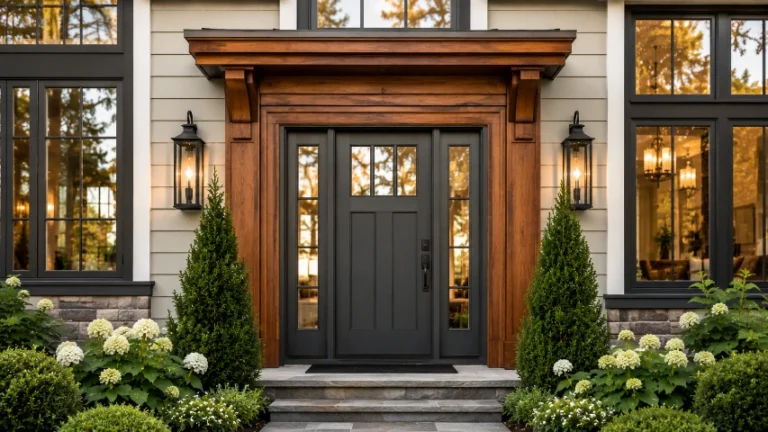
From soft neutrals to bold statement shades, choosing the perfect door color depends on your home’s style, surrounding materials, and personal taste. Some colors create strong contrast, while others blend naturally for a balanced appearance.
This guide shares 15 stylish brown house front door colors that complement different shades of brown siding, brick, wood, or stucco. Each option includes practical styling advice to help create an entrance that feels polished and inviting.
1. Classic White Door
A classic white front door creates a crisp contrast against a brown exterior while maintaining a clean and elegant appearance. Whether the home features dark chocolate siding or warm cedar tones, white adds brightness without feeling overpowering.
This timeless combination suits farmhouse, colonial, craftsman, and traditional homes. It also reflects natural light, making the entrance appear larger and more inviting.
Why It Works
White naturally balances the richness of brown. Instead of competing with the exterior, it highlights architectural details such as trim, columns, shutters, and decorative molding.
The fresh contrast creates a welcoming entrance that remains stylish regardless of changing design trends.
Pro Tips
- Paint surrounding trim white for a coordinated look.
- Add matte black hardware for extra contrast.
- Install warm outdoor lighting to highlight the entrance at night.
- Complete the look with matching white planters and seasonal flowers.

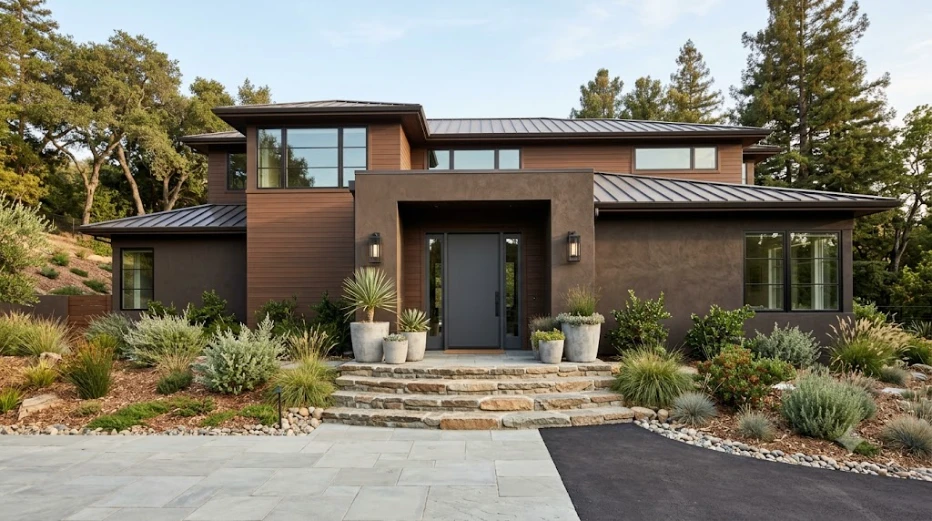
2. Charcoal Gray Door
Charcoal gray offers a modern appearance while keeping the overall design sophisticated. It introduces depth without creating an overly dramatic contrast, making it an excellent choice for many brown homes.
This color pairs especially well with wood accents, stone veneers, and black window frames.
Why Homeowners Love It
Charcoal gray feels refined and versatile. It works with both warm and cool brown tones, allowing homeowners to update their entrance without making the exterior feel too bold.
The darker finish also hides dirt and everyday wear better than lighter colors.
Style Boosters
- Choose satin or matte paint for a premium finish.
- Pair with brushed nickel or matte black hardware.
- Add concrete planters filled with green plants.
- Install modern wall lights for a clean appearance.
3. Deep Navy Blue
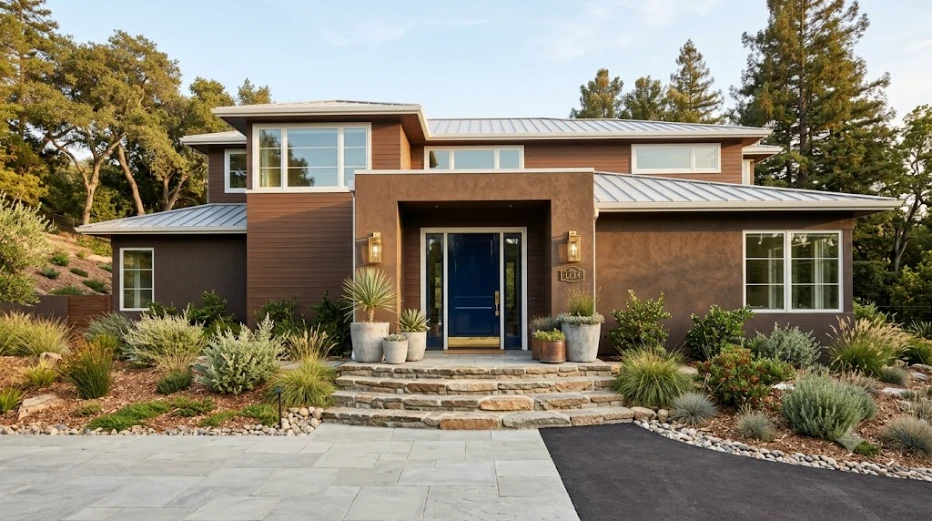
Deep navy blue brings richness and character to a brown exterior while maintaining an elegant look. It introduces color without overwhelming the home’s natural palette.
Homes with brick, cedar siding, or natural stone often benefit from this refined combination.
What Makes It Pop
Navy blue creates enough contrast to draw attention to the entrance while complementing brown’s earthy warmth. Brass or gold hardware becomes even more noticeable against the darker shade.
Natural sunlight enhances the richness of the finish throughout the day.
Make It Shine
- Add polished brass door hardware.
- Include matching navy outdoor cushions.
- Use white trim for extra definition.
- Finish the space with neatly trimmed shrubs.
4. Forest Green Door
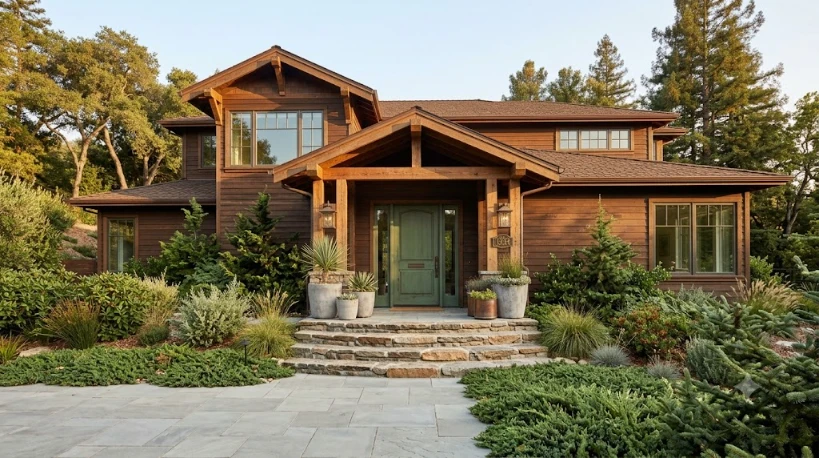
Forest green complements brown beautifully because both colors are inspired by nature. Together they create an entrance that feels calm, welcoming, and connected to the surrounding landscape.
This combination works particularly well for craftsman homes, cabins, cottages, and homes surrounded by mature trees.
Why It Fits So Well
The earthy green shade blends naturally with wood, brick, and stone materials. Instead of creating harsh contrast, it enhances the home’s organic character.
Seasonal plants and landscaping also look more vibrant alongside forest green.
Best Pairings
- Natural wood porch furniture.
- Black lantern lighting.
- Stone steps and retaining walls.
- Ferns, ornamental grasses, and evergreen shrubs.
5. Warm Black Door
A warm black front door delivers a timeless appearance that suits nearly every architectural style. Unlike a pure jet black finish, warm black includes subtle brown undertones that coordinate naturally with brown siding and wood textures.
The result is bold yet balanced.
The Appeal
Warm black creates a strong focal point while allowing surrounding architectural details to remain visible. It pairs equally well with modern homes and traditional designs.
Its neutral character also makes seasonal decorations easier to coordinate throughout the year.
Smart Styling Tips
- Choose matte black hardware for a seamless finish.
- Add warm wood accents on the porch.
- Use symmetrical planters for balance.
- Install soft landscape lighting to highlight the entrance after sunset.
6. Burgundy Red Door
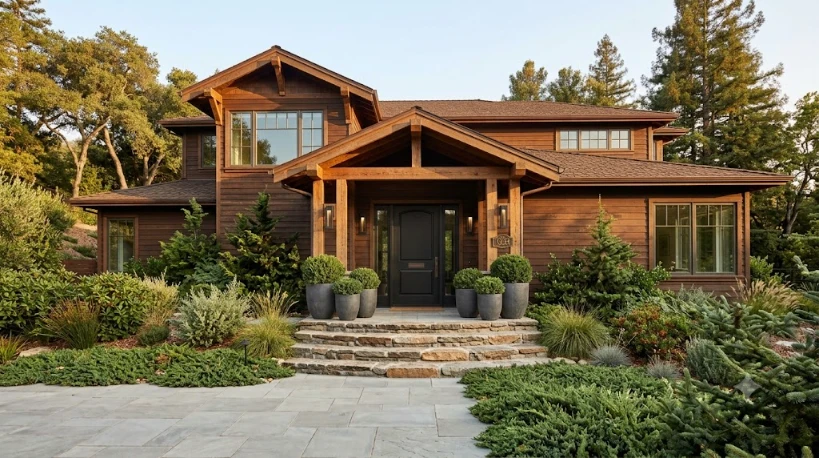
A burgundy red front door adds warmth, elegance, and personality to a brown house without appearing overly bright. Its rich tone blends beautifully with earthy exteriors while creating a memorable focal point. This classic shade works especially well on traditional, colonial, Tudor, and rustic-style homes.
Unlike brighter reds, burgundy feels refined and timeless. It gives the entrance a welcoming appearance throughout every season and pairs naturally with wood, stone, and brick finishes.
Why It Works
Burgundy shares warm undertones with brown, allowing both colors to complement one another instead of competing for attention. The result is a balanced exterior that feels inviting and sophisticated.
The color also enhances decorative details such as glass panels, sidelights, and custom millwork around the entryway.
How To Nail It
- Choose satin or semi-gloss paint for better durability.
- Pair with antique brass or oil-rubbed bronze hardware.
- Add matching flower pots filled with seasonal blooms.
- Finish the porch with warm lighting for evening curb appeal.

7. Muted Teal Door
Muted teal offers a refreshing touch while maintaining a sophisticated appearance. It introduces subtle color without overpowering the natural beauty of a brown exterior.
This shade suits coastal, farmhouse, transitional, and modern homes looking for a soft accent that feels current yet timeless.
Why It’s Trending
Muted teal blends blue and green undertones, creating a calming entrance that complements wood textures, brick, and natural stone. It feels distinctive while remaining easy to coordinate with surrounding materials.
Its balanced tone also works well in both sunny and shaded locations.
Design Tips
- Combine with matte black hardware.
- Add woven outdoor furniture for texture.
- Use neutral planters with ornamental grasses.
- Include wood accents to create warmth.

8. Soft Beige Door
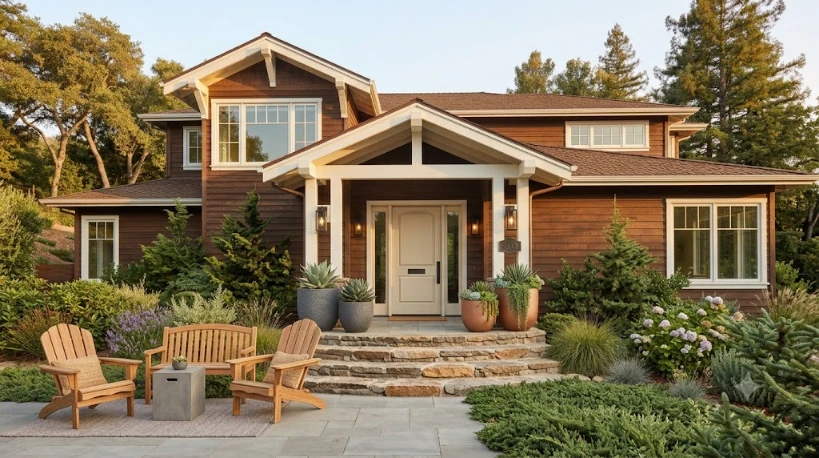
Soft beige creates a seamless, elegant appearance that highlights the natural warmth of a brown home. Instead of creating strong contrast, it produces a calm and cohesive exterior that feels bright and welcoming.
Homes with stone, stucco, or light brown siding benefit especially from this understated combination.
Why Choose Beige
Beige provides subtle definition while allowing architectural details and landscaping to remain the center of attention. It also reflects more sunlight, helping the entrance appear brighter throughout the day.
Its neutral character makes decorating simple in every season.
Best Uses
- Pair with white trim for a clean finish.
- Add natural wood furniture.
- Install black lantern sconces for gentle contrast.
- Complete the look with textured outdoor rugs.
9. Dark Bronze Door
Dark bronze delivers a premium appearance with subtle metallic depth that complements brown exteriors beautifully. It combines the richness of dark brown with soft bronze undertones, creating an entrance that feels luxurious without appearing flashy.
This color works well on homes featuring brick, stone, timber, or decorative masonry.
What Makes It Special
Dark bronze changes slightly throughout the day as natural light reflects across its surface. The finish adds visual interest while maintaining a timeless appearance.
It also coordinates effortlessly with bronze lighting fixtures and architectural accents.
Style Notes
- Select bronze door handles and matching light fixtures.
- Add stone planters near the entrance.
- Use warm LED lighting to highlight the finish.
- Include wooden shutters for a cohesive exterior.
10. Slate Blue Door
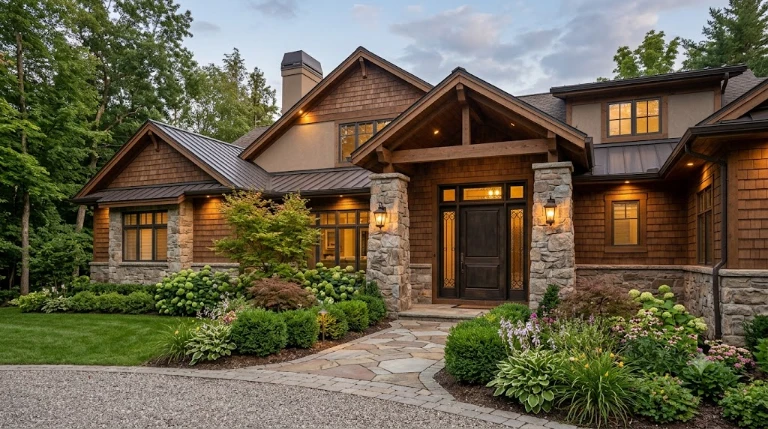
Slate blue blends soft gray and blue tones, creating a refined entrance that pairs naturally with brown homes. It feels modern while remaining classic enough for traditional architecture.
The muted color introduces gentle contrast without dominating the overall design.
Why It Works
Slate blue complements warm brown siding by balancing earthy tones with cool elegance. The result is a front entrance that feels fresh, polished, and welcoming throughout every season.
It also pairs beautifully with white trim and natural stone features.
Easy Wins
- Install brushed nickel or black hardware.
- Use matching blue-gray outdoor cushions.
- Frame the entrance with symmetrical greenery.
- Keep surrounding trim neutral for a balanced appearance.

11. Olive Green Door
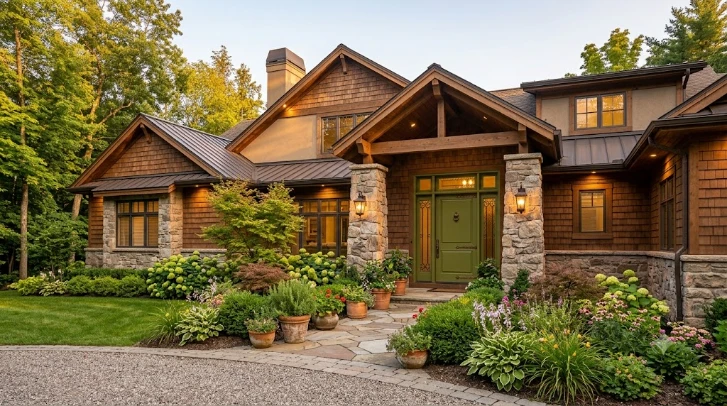
An olive green front door gives a brown house a relaxed and refined appearance. This earthy shade blends effortlessly with wood, brick, and stone while adding just enough color to make the entrance stand out. It works well for farmhouse, craftsman, Mediterranean, and modern rustic homes.
Olive green also complements natural landscaping, making the exterior feel connected to its surroundings.
Why Homeowners Love It
Olive green has a timeless quality that stays stylish year after year. It adds personality without becoming the main focus of the exterior. The muted tone creates a balanced look that feels warm, welcoming, and sophisticated.
This color also pairs beautifully with natural wood accents and textured stone finishes.
Styling Tips
- Install antique brass or matte black hardware.
- Use terracotta or concrete planters.
- Add warm wood porch furniture.
- Surround the entrance with shrubs and ornamental grasses.
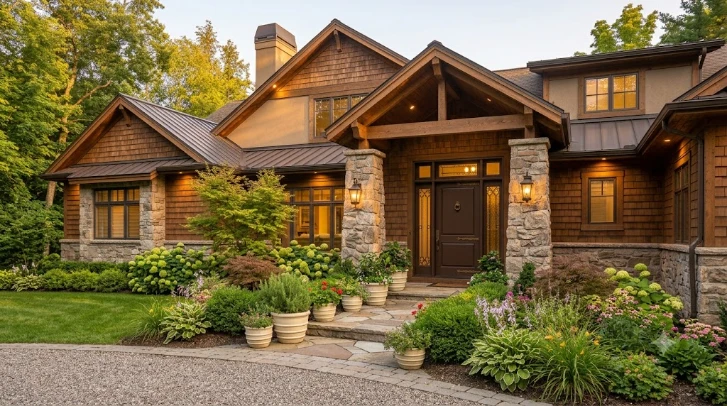
12. Chocolate Brown Door
Choosing a chocolate brown front door creates a rich monochromatic design that feels elegant and cohesive. Instead of relying on contrast, this approach highlights texture, architectural details, and premium materials.
The combination works especially well when the house includes wood siding, brick, or natural stone.
The Secret
Using different shades of brown adds depth without making the exterior look flat. A darker door naturally draws attention while maintaining harmony with the rest of the home.
Layering materials such as wood, metal, and stone further enhances the entrance.
How To Make It Work
- Select a door shade slightly darker than the exterior.
- Pair with brushed bronze hardware.
- Add black lantern sconces.
- Include cream-colored planters for subtle contrast.
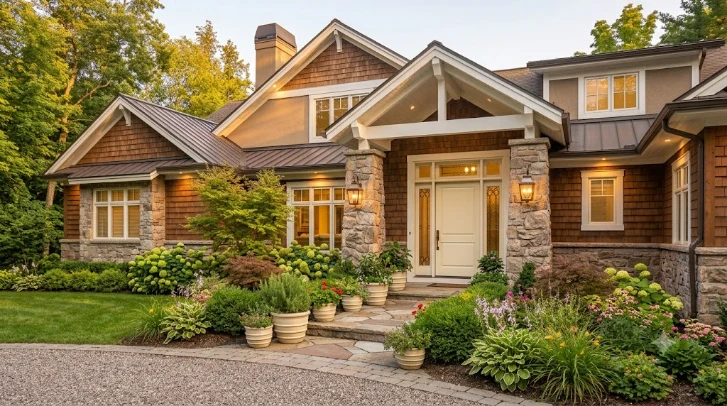
13. Creamy Ivory Door
A creamy ivory front door instantly brightens a brown home while maintaining a soft, welcoming appearance. The warm undertones create a smoother transition than bright white, making the entrance feel elegant and inviting.
This shade works beautifully on traditional, cottage, farmhouse, and transitional homes.
Why It’s A Favorite
Creamy ivory provides gentle contrast without feeling stark. It complements warm brown siding, natural wood trim, and brick surfaces while allowing decorative features to remain visible.
The color also reflects natural light, helping smaller porches appear more open.
Best Practices
- Pair with oil-rubbed bronze hardware.
- Use warm white exterior lighting.
- Add matching trim for a polished finish.
- Decorate with seasonal wreaths and flower arrangements.
14. Rust Orange Door
Rust orange introduces warmth and character while complementing the earthy tones of a brown exterior. Inspired by natural clay and autumn landscapes, this shade creates a welcoming entrance with plenty of personality.
It suits southwestern, rustic, farmhouse, and mid-century homes particularly well.
Why It Works
Rust orange shares warm undertones with brown, helping both colors blend naturally. The result feels vibrant without becoming overwhelming.
When paired with natural materials, the entrance gains additional texture and visual interest.
Use It Right
- Choose matte black hardware.
- Add wooden benches or rocking chairs.
- Include terracotta pots with green plants.
- Keep surrounding trim neutral for balance.

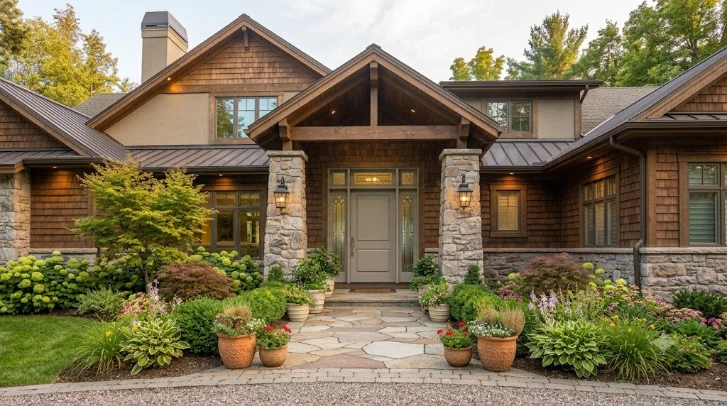
15. Greige Door
Greige combines gray and beige to create a versatile neutral that complements nearly every shade of brown. It offers a clean, modern appearance while preserving the warmth that makes brown homes so inviting.
This adaptable color works equally well on contemporary, transitional, and traditional homes.
Why It’s Genius
Greige balances warm and cool tones, making it easy to coordinate with stone, brick, wood, and metal accents. It gives the entrance a refined appearance without relying on bold colors.
Its flexibility also makes future exterior updates much easier.
Design Tips
- Pair with black or brushed nickel hardware.
- Add simple modern lighting.
- Use symmetrical landscaping.
- Incorporate natural wood accents for warmth.
Final Thoughts
The right front door color can completely change how a brown house looks from the street. Whether you prefer the crisp elegance of classic white, the richness of navy blue, the natural charm of forest green, or the modern appeal of greige, each color offers its own unique style while complementing brown exteriors.
When selecting a paint color, consider your home’s architectural style, surrounding landscape, roofing, trim, and exterior materials. Small details such as quality hardware, outdoor lighting, decorative planters, and seasonal accents also play an important role in creating a welcoming entrance.
A thoughtfully chosen front door color doesn’t just improve curb appeal—it helps create an inviting first impression that reflects your personal style and enhances the overall character of your home.