12 Decorating Ideas for Studio Apartments That Feel Bigger Than Your Lease
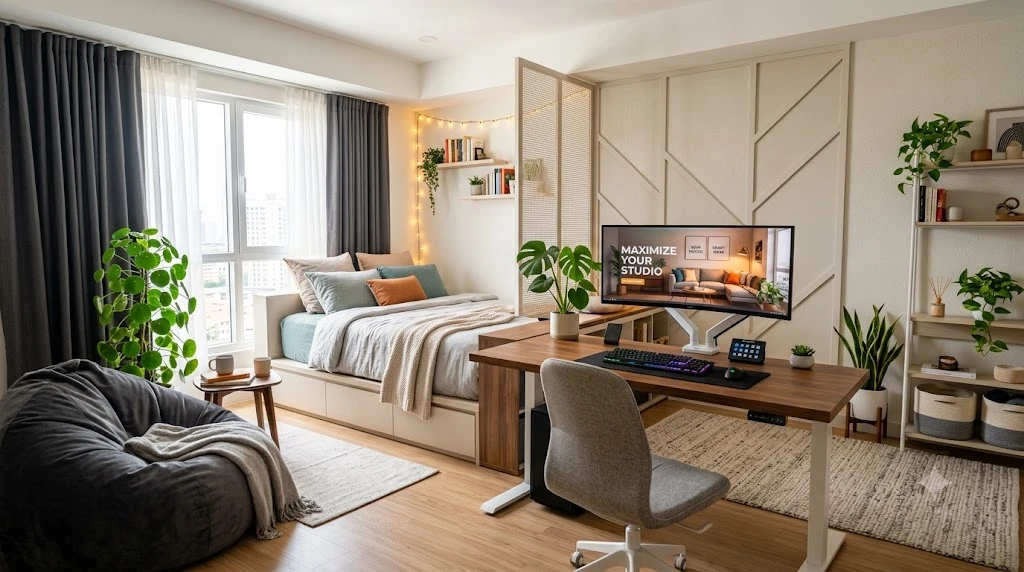
Living in a studio apartment doesn’t mean you have to sacrifice comfort or style. With the right studio apartment decorating ideas, even a compact home can feel bright, organized, and welcoming. The secret isn’t having more square footage—it’s making every inch work smarter.
Whether you’re moving into your first studio or looking to refresh your current space, a few thoughtful design choices can completely change how your apartment looks and feels. From clever storage solutions to furniture that serves more than one purpose, small changes often make the biggest difference.
Let’s look at practical ideas that help create a home that feels larger, more functional, and uniquely yours.
1. Zone Your Space Like an Interior Architect

One of the biggest challenges in studio apartment decorating is making a single room serve multiple purposes. Your apartment may function as a bedroom, living room, dining area, and home office all at once. Creating separate zones helps each space feel intentional instead of crowded.
Instead of thinking about walls, think about visual boundaries. Rugs, furniture placement, lighting, and shelving can naturally separate different areas while keeping the apartment open.
Creating zones also makes your daily routine easier. You’ll mentally associate each area with a specific activity, making your home feel more organized and relaxing.
How to Create Zones
Here are simple ways to define each area without closing off your apartment:
- Place an area rug beneath your sofa to establish a living room.
- Position your bed against one wall to create a dedicated sleeping area.
- Use a narrow console table behind the sofa as a subtle divider.
- Add a bookshelf with open shelves to separate spaces while allowing light through.
- Hang pendant lights above a dining table to visually define the eating area.
Even small layout adjustments can make your apartment feel thoughtfully designed rather than randomly arranged.
2. Choose a Hero Color (And Stick to It)
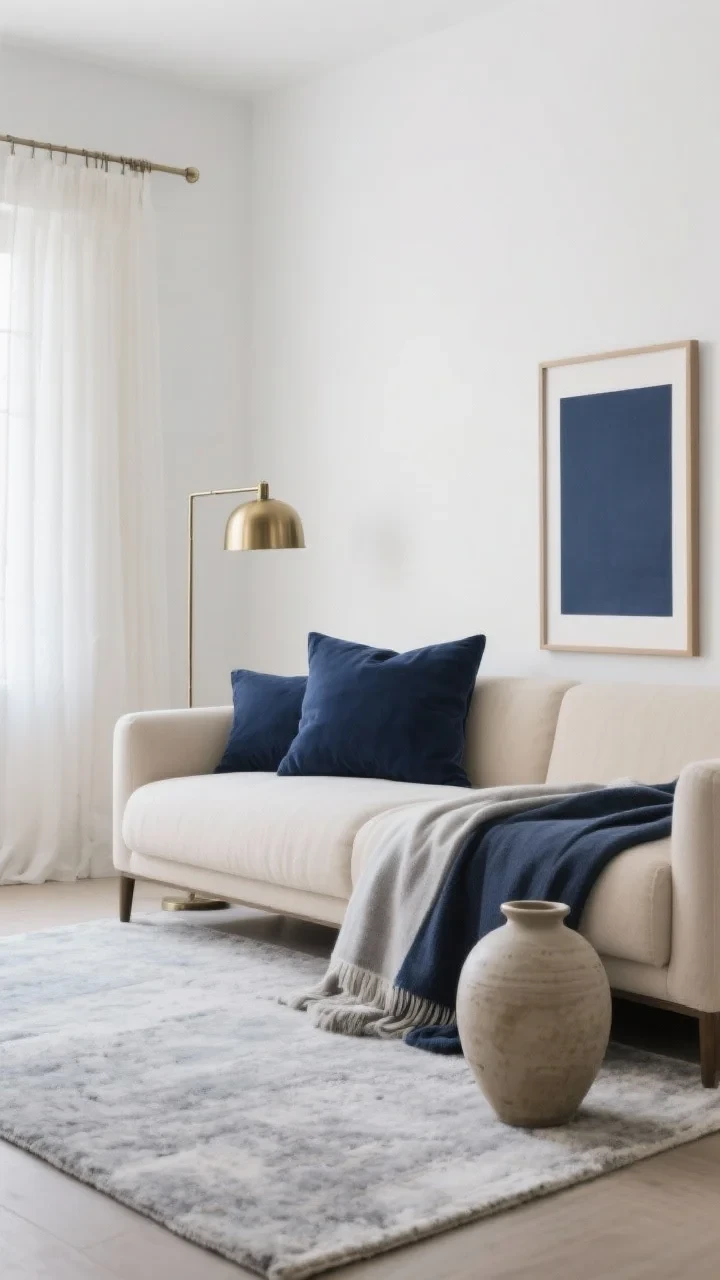
Color has a major impact on how spacious a room feels. A consistent color palette creates visual flow, making your apartment appear larger than it actually is.
Light neutral shades remain popular because they reflect natural light, but that doesn’t mean everything has to be white. Soft beige, warm gray, creamy ivory, muted sage, and pale blue all work beautifully in studio apartments.
After choosing one primary color, repeat it throughout the apartment using furniture, curtains, bedding, artwork, and accessories. This consistency helps every corner feel connected.
Instead of introducing many bold colors, use accent pieces to add personality while keeping the overall look balanced.
Keep It Cohesive
To maintain a unified appearance:
- Pick one dominant color for walls and larger furniture.
- Add two complementary accent colors.
- Repeat wood finishes throughout the apartment.
- Choose similar metal finishes for lighting and hardware.
- Coordinate textiles like pillows, throws, and curtains.
A cohesive palette makes even a compact studio feel polished and professionally styled.
3. Go Vertical With Storage (Your Walls Are Wasted Real Estate)
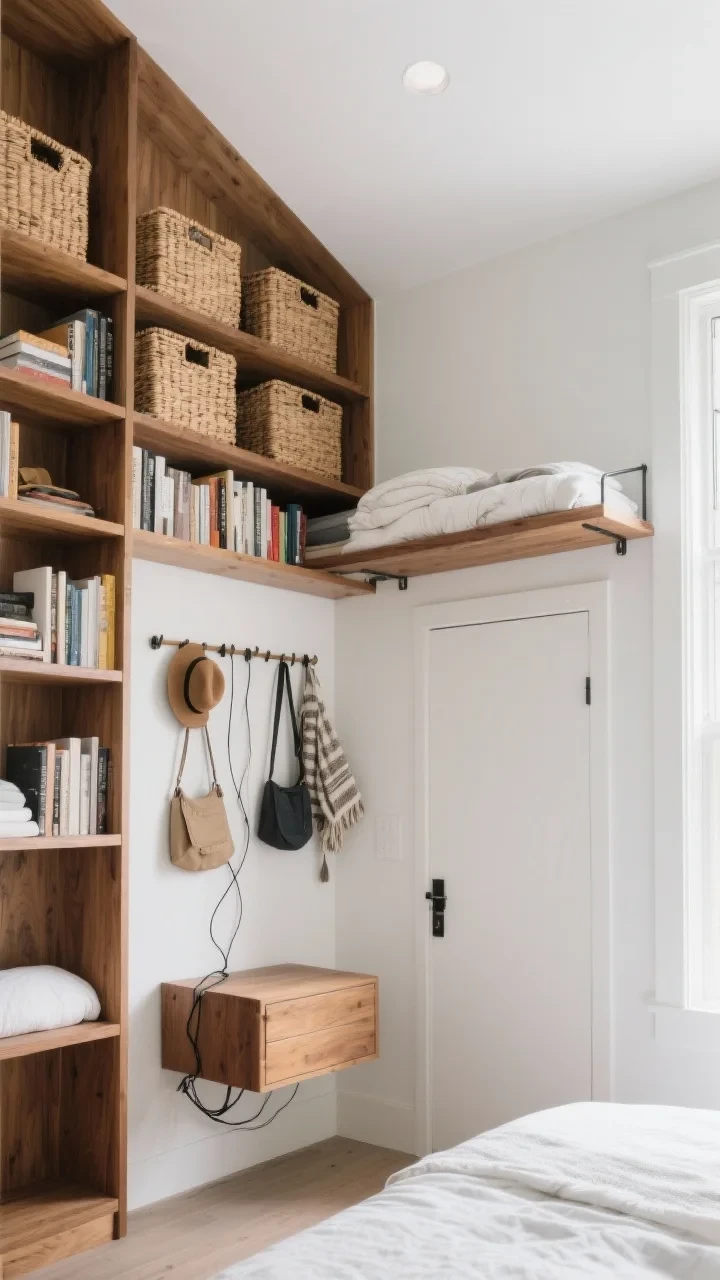
Floor space is limited in every studio apartment, but walls offer valuable storage opportunities. Looking upward instead of outward is one of the smartest ways to stay organized.
Floating shelves, wall-mounted cabinets, pegboards, and tall bookcases help store everyday items while keeping the floor clear. This creates a cleaner appearance and makes the room feel more open.
Vertical storage also allows you to display decorative items without taking up precious tabletop space.
Vertical Storage Ideas
Try adding storage in places that are often overlooked:
- Install floating shelves above your sofa.
- Use the wall above your desk for organizers.
- Add hooks behind doors for bags and jackets.
- Choose tall wardrobes instead of wide dressers.
- Mount shelves above the toilet or laundry area.
- Store baskets on upper shelves for seasonal items.
The goal is to keep everyday essentials accessible while reducing visual clutter around the room.
4. Divide Without Walls (Clever Partitions That Don’t Kill Light)
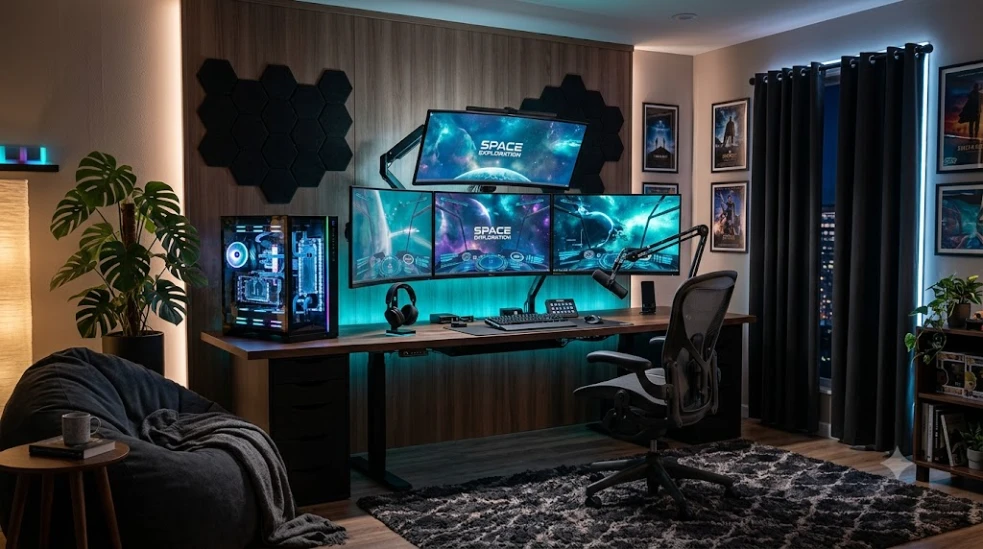
Traditional walls make small apartments feel even smaller. Instead, use lightweight dividers that create privacy while maintaining an open atmosphere.
Room dividers don’t have to be permanent. Flexible options allow you to adjust your layout whenever your needs change.
Open shelving, curtains, folding screens, and slatted wood panels all provide separation without blocking natural light.
A well-placed divider can create the feeling of separate rooms while preserving the spaciousness of an open-plan layout.
Smart Divider Options
Some effective room divider ideas include:
- Open cube shelving units
- Linen curtains on ceiling tracks
- Wooden slat partitions
- Folding privacy screens
- Glass partitions with black frames
- Indoor plants arranged on plant stands
- Console tables placed behind sofas
Choose dividers that complement your decorating style while keeping the apartment bright and airy.
With thoughtful planning, you can enjoy the benefits of separate living spaces without making your studio feel enclosed.
5. Invest in Multi-Tasking Furniture (Form + Function = Peace)

When every square foot counts, furniture should work harder than ever. Choosing pieces that serve multiple purposes is one of the smartest studio apartment decorating strategies. Instead of filling your home with separate items for every need, look for designs that combine comfort, storage, and flexibility.
Modern multifunctional furniture has come a long way. Many options are stylish enough to blend into any décor while helping you keep clutter under control.
Think about how you use your space every day. A coffee table with hidden storage can hold blankets and books. A dining table that folds away after meals creates extra floor space. A storage ottoman gives you a place to sit while hiding everyday essentials.
Pieces Worth the Money
If you’re decorating a studio apartment, these furniture investments often provide the best value:
- Sofa beds for guests or everyday sleeping
- Storage ottomans with hidden compartments
- Lift-top coffee tables for working or dining
- Beds with built-in drawers underneath
- Folding dining tables that expand when needed
- Nesting side tables that tuck away easily
- Wall-mounted desks for compact home offices
Although multifunctional furniture may cost a little more upfront, it often replaces two or three separate pieces, saving both money and space over time.
6. Mirror Magic (Yes, It Actually Works)
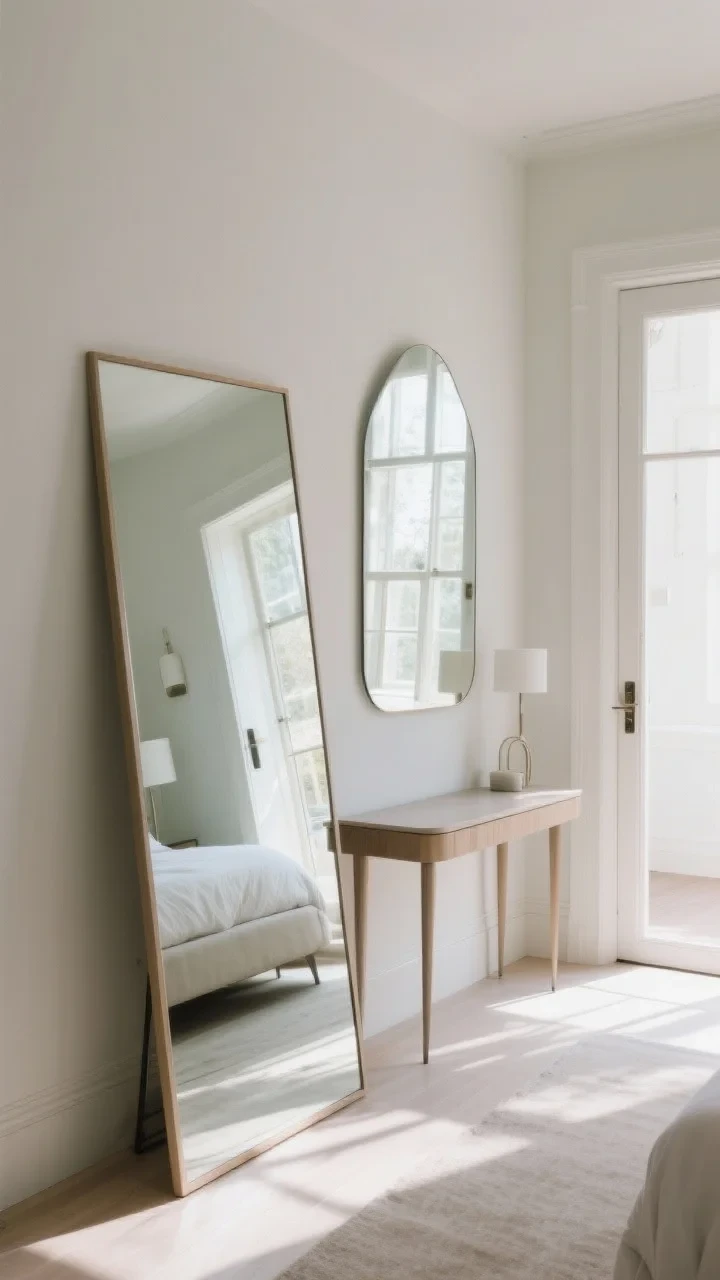
Mirrors remain one of the simplest ways to make a small apartment feel larger. They reflect both natural and artificial light, creating the illusion of extra depth throughout the room.
A carefully placed mirror can brighten darker corners and make narrow spaces feel much more open. Instead of thinking of mirrors only as decorative accessories, consider them an important design tool.
Large mirrors generally create a stronger visual effect than several small ones. Choosing a frame that complements your overall decorating style helps the mirror blend naturally into the room.
Where to Put Them
Strategic placement makes all the difference.
Some great locations include:
- Across from a window to reflect daylight
- Behind a sofa to add visual depth
- Near the dining area to brighten the room
- In entryways to make small entrances feel wider
- Above a console table for a balanced focal point
- Leaning against a bedroom wall for a relaxed modern look
Avoid placing mirrors where they reflect clutter. Instead, let them highlight your brightest and most attractive areas.
7. Lighting Layers For Mood And Function
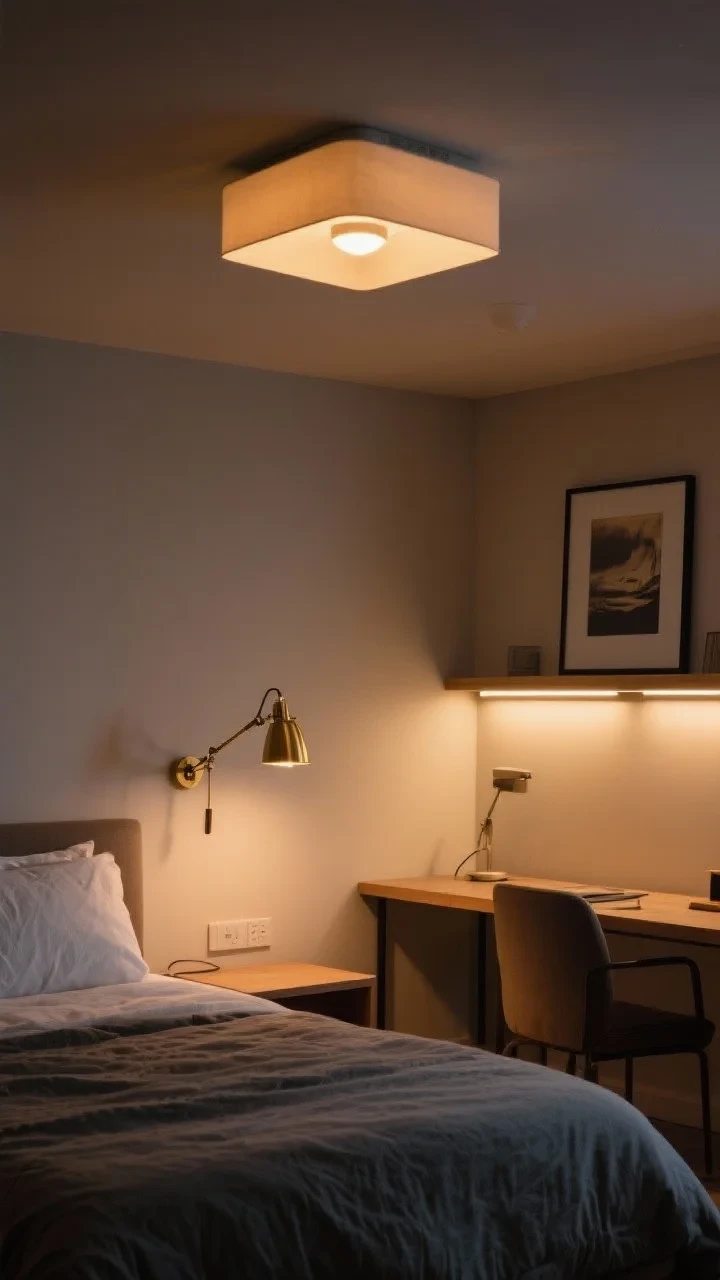
Lighting influences how large, comfortable, and inviting a studio apartment feels. Relying on one ceiling fixture often leaves parts of the room looking flat or shadowed.
Layered lighting creates depth while allowing different areas of the apartment to serve different purposes. Bright lighting works well for cooking or working, while softer lighting helps create a relaxing atmosphere in the evening.
Even in a small home, combining different light sources gives your apartment a professionally designed appearance.
The Three-Layer Rule
A balanced lighting plan usually includes three layers.
Ambient Lighting
Provides overall illumination through ceiling lights or recessed fixtures.
Task Lighting
Focuses light where you perform specific activities, such as reading, cooking, or working at a desk.
Accent Lighting
Adds warmth and highlights decorative features like artwork, plants, or shelves.
Easy ways to improve lighting include:
- Place a floor lamp beside your sofa.
- Add bedside table lamps.
- Install LED strip lights beneath floating shelves.
- Use rechargeable wall sconces where wiring isn’t available.
- Choose warm white bulbs for a cozy atmosphere.
Lighting can completely change the mood of your apartment without requiring major renovations.
8. Play With Scale (Yes, You Can Use Big Pieces)
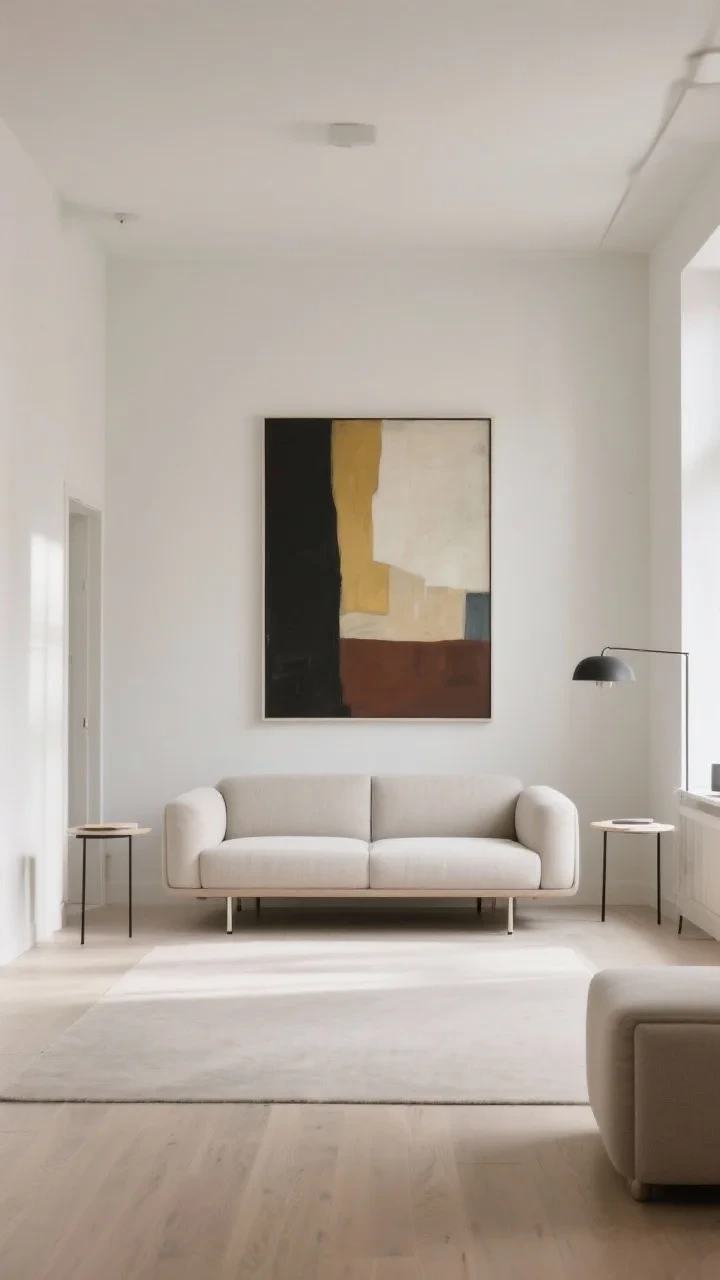
Many people assume that only small furniture belongs in a studio apartment. Surprisingly, too many tiny pieces often make a room feel busier and more crowded.
A few larger furniture pieces can actually create a cleaner, more spacious look. The trick is choosing items with simple shapes, raised legs, and clean lines.
Instead of filling the room with several small storage units, consider one tall wardrobe or a generously sized sofa that anchors the living area.
Keeping enough open floor space around larger furniture allows the room to breathe.
How to Nail Scale
Follow these simple design principles:
- Choose one statement sofa instead of multiple chairs.
- Use a larger area rug to visually connect furniture.
- Leave clear walking paths between zones.
- Select furniture with exposed legs to create an airy feel.
- Avoid oversized accessories that overwhelm the room.
- Balance larger pieces with lighter decorative accents.
Remember, scale is about proportion rather than size alone. A thoughtfully arranged room often feels much bigger than one filled with many small items.
By combining multifunctional furniture, smart mirror placement, layered lighting, and balanced proportions, your studio apartment becomes more comfortable, organized, and visually open without adding extra square footage.
9. Curate Surfaces: Keep the Chaos Cute

Flat surfaces can quickly become clutter magnets in a studio apartment. Kitchen counters, coffee tables, bedside tables, and desks often collect everyday items that make a small space feel even smaller.
Instead of filling every surface with decorative pieces, focus on thoughtful styling. A few carefully chosen accessories create personality without overwhelming the room.
A simple rule is to leave some empty space on every surface. Negative space gives your eyes a place to rest and helps your apartment feel cleaner and more spacious.
Styling That Works
Keep your surfaces attractive and functional by following these ideas:
- Group decorative items in sets of three.
- Use trays to organize candles, remotes, or small accessories.
- Stack two or three coffee table books for added height.
- Add one small plant or vase with fresh flowers.
- Store daily essentials inside decorative baskets or boxes.
- Avoid displaying everything you own at once.
Refreshing your décor every few months instead of constantly adding new pieces keeps your apartment looking fresh and organized.
10. Textures Do The Heavy Lifting
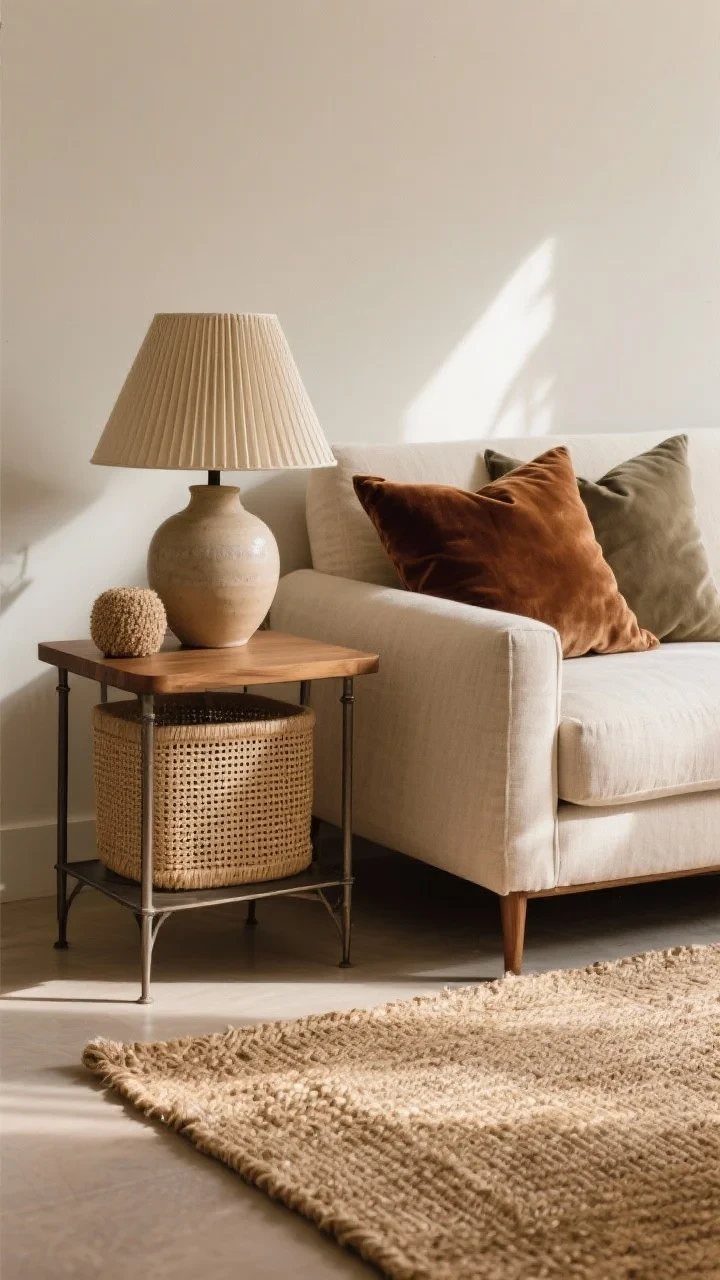
When your color palette is simple, texture becomes the element that adds warmth and visual interest. Mixing different materials prevents a studio apartment from feeling flat while maintaining a clean, cohesive appearance.
The goal isn’t to introduce dozens of patterns. Instead, combine fabrics and finishes that naturally complement one another.
A woven basket beside a linen sofa, a knitted throw on the bed, and a wooden coffee table together create a welcoming atmosphere without making the room feel busy.
Texture Mix To Try
A balanced combination could include:
- Soft linen curtains
- Chunky knit throw blankets
- Velvet or boucle accent pillows
- Natural wood furniture
- Woven storage baskets
- Ceramic vases
- Glass lighting fixtures
- Cotton bedding
- Jute or wool area rugs
Mixing smooth, soft, rough, and natural materials gives your apartment depth while keeping the overall design calm and inviting.
11. Make Your Bed Disappear (Or At Least Blend In)
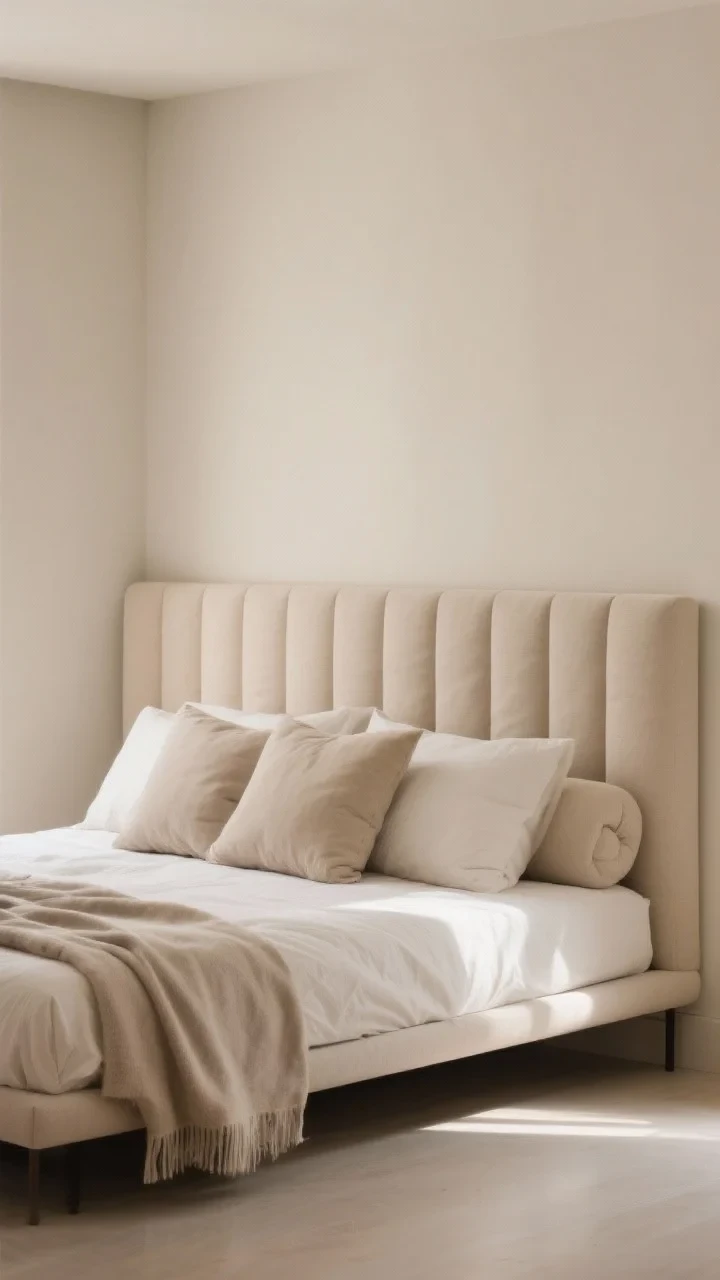
In a studio apartment, the bed is often the largest piece of furniture. Since it’s visible throughout the day, finding ways to help it blend into the space creates a more organized look.
You don’t need expensive custom furniture to achieve this. A few thoughtful decorating choices can make your sleeping area feel like part of the overall design instead of the room’s main focus.
Choosing bedding that coordinates with the rest of your color palette creates visual continuity and helps the bed integrate naturally into the space.
Smart Sleep Strategies
Consider these practical ideas:
- Use a daybed that functions as seating during the day.
- Place a bookshelf between the bed and living area.
- Hang ceiling-mounted curtains for privacy.
- Choose under-bed storage containers for seasonal items.
- Make the bed every morning to instantly improve the room’s appearance.
- Select neutral bedding with layered textures instead of busy patterns.
Even a small sleeping corner can feel peaceful and stylish when it’s thoughtfully arranged.
12. Personalize With Art, Books, And Plants (The Soul Of Your Studio)
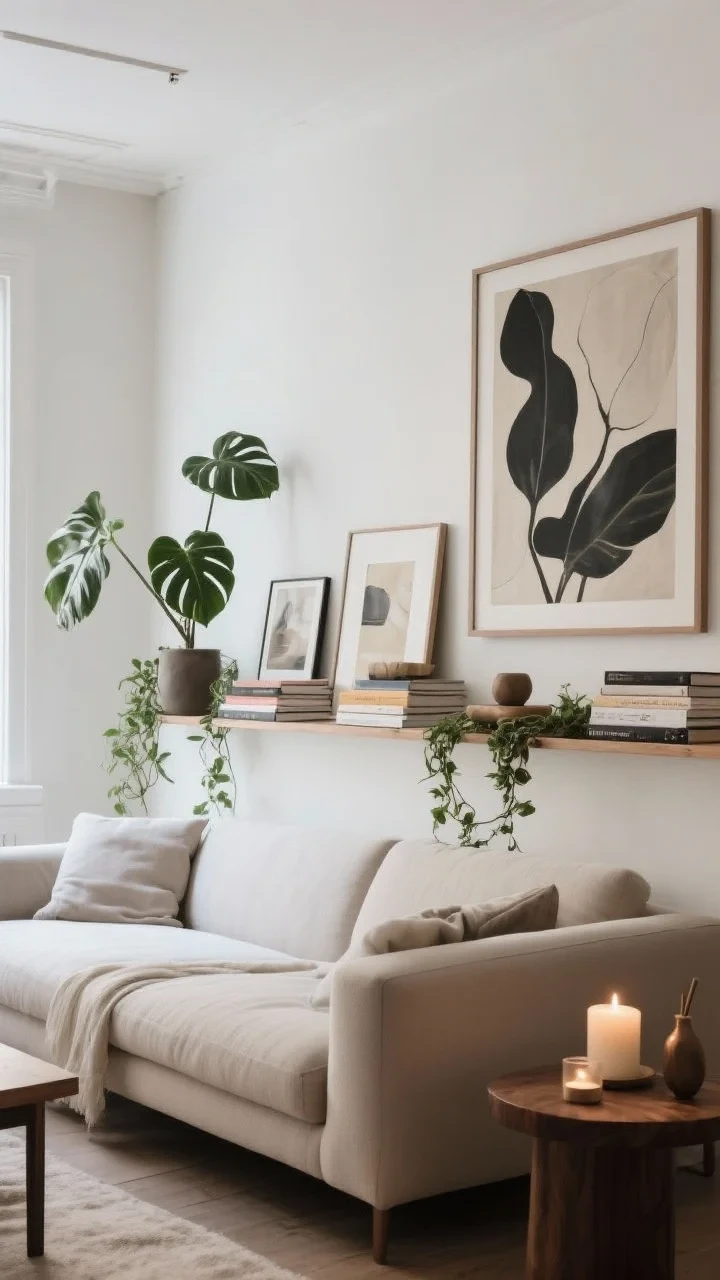
A beautiful apartment should reflect your personality. While organization and functionality are important, personal touches are what transform a living space into a home.
Artwork, meaningful books, travel souvenirs, family photographs, and indoor plants add warmth without requiring a large budget.
The key is choosing pieces you genuinely enjoy rather than decorating simply because something is trendy.
Curate, Don’t Clutter
Instead of displaying everything at once:
- Rotate artwork seasonally.
- Keep only your favorite books on open shelves.
- Mix framed prints with personal photographs.
- Add two or three healthy houseplants.
- Display meaningful souvenirs instead of random decorations.
- Leave breathing room between decorative objects.
A carefully edited collection tells your story while maintaining a clean, comfortable environment.
Bonus Layout Tips (Because You’re Still Here)
Small layout changes often have a surprisingly big impact.
Try these additional ideas:
- Float furniture slightly away from the walls instead of pushing everything into corners.
- Keep walkways open for easy movement.
- Position your desk near a window whenever possible.
- Use matching storage bins for a cleaner appearance.
- Hide cables with simple cable organizers.
- Choose furniture with visible legs to create a lighter look.
- Replace bulky curtains with lightweight fabrics that let natural light flow inside.
Remember that your layout isn’t permanent. Rearranging furniture every few months can make your apartment feel brand new.
Quick Shopping Checklist
If you’re planning a studio apartment makeover, consider adding these essentials to your shopping list:
- Storage bed
- Sofa bed
- Lift-top coffee table
- Floating shelves
- Full-length mirror
- Large area rug
- Storage ottoman
- Folding dining table
- Floor lamp
- Table lamp
- Decorative baskets
- Indoor plants
- Wall hooks
- Slim console table
- Neutral throw pillows
- Linen curtains
- Cable management accessories
Buying gradually allows you to create a cohesive design without exceeding your budget.
Conclusion
Successful studio apartment decorating isn’t about making a small home look like a larger one. It’s about making every square foot feel intentional, comfortable, and easy to live in.
By creating defined zones, choosing multifunctional furniture, using vertical storage, improving lighting, and keeping clutter under control, you can transform even the smallest studio into a space that feels open and inviting.
The best part is that you don’t need a complete renovation to achieve great results. Small improvements made over time often have the biggest impact. Start with one or two ideas that fit your lifestyle, then continue building a home that reflects your personality while making everyday living easier.