Checkerboard Floor Ideas for a Stylish Home
Checkerboard floors have been a favorite in home design for generations, yet they continue to feel fresh in today’s interiors. Whether you’re planning a complete renovation or simply looking for inspiration, this iconic pattern offers endless possibilities for creating a space that feels both elegant and inviting.
The beauty of a checkerboard floor lies in its versatility. It can make a small room appear larger, add visual interest to plain interiors, or become the statement feature that ties your entire design together. From timeless black and white tiles to warm natural stone and colorful modern interpretations, there’s a checkerboard style for every home.
If you’re ready to refresh your floors, these ideas will help you choose a design that fits your personality while standing the test of time.
1. Classic Black and White Ceramic Tiles
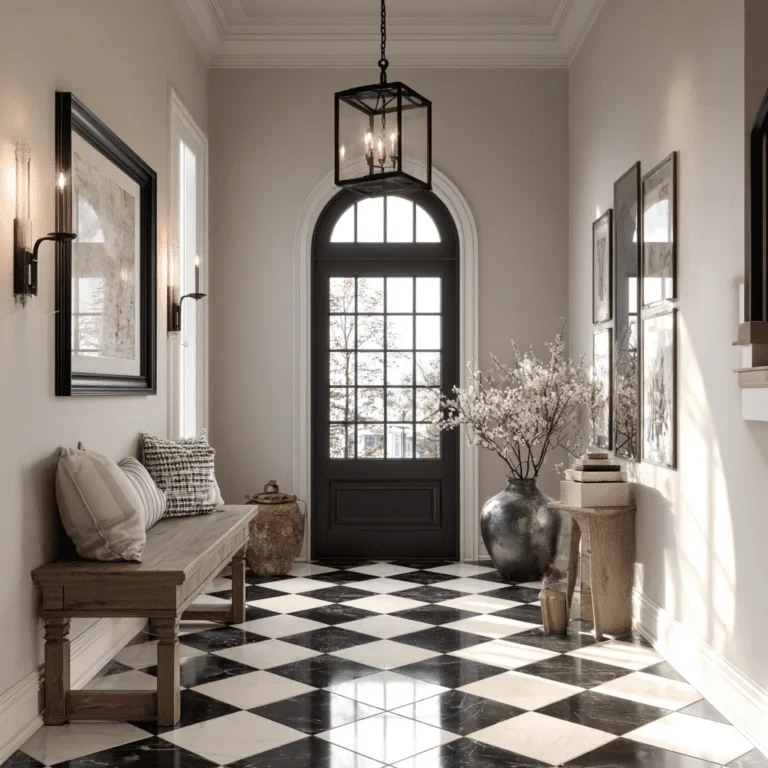
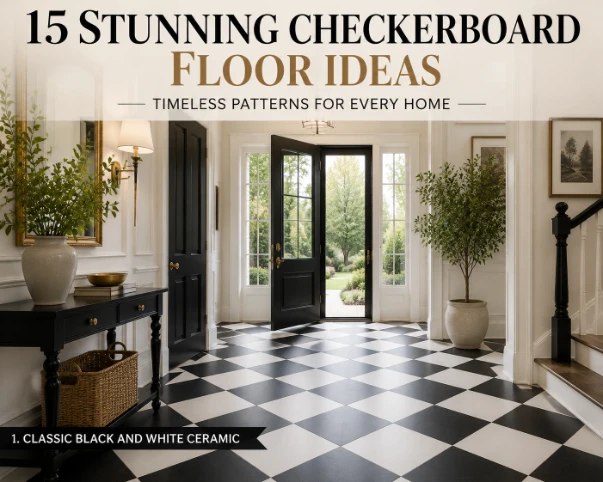
Few flooring styles are as recognizable as the classic black and white checkerboard. This timeless combination works beautifully in kitchens, bathrooms, laundry rooms, and entryways, creating a crisp and polished appearance without overwhelming the room.
Ceramic tiles are durable, moisture-resistant, and easy to maintain, making them a practical choice for busy households. Pair the flooring with white walls, warm wood furniture, or matte black fixtures for a balanced look that feels both traditional and current.
To soften the contrast, add textured rugs, woven baskets, or natural greenery. These decorative elements prevent the space from feeling too formal while allowing the floor to remain the main design feature.
2. Retro Vinyl Checkerboard in Bold Colors
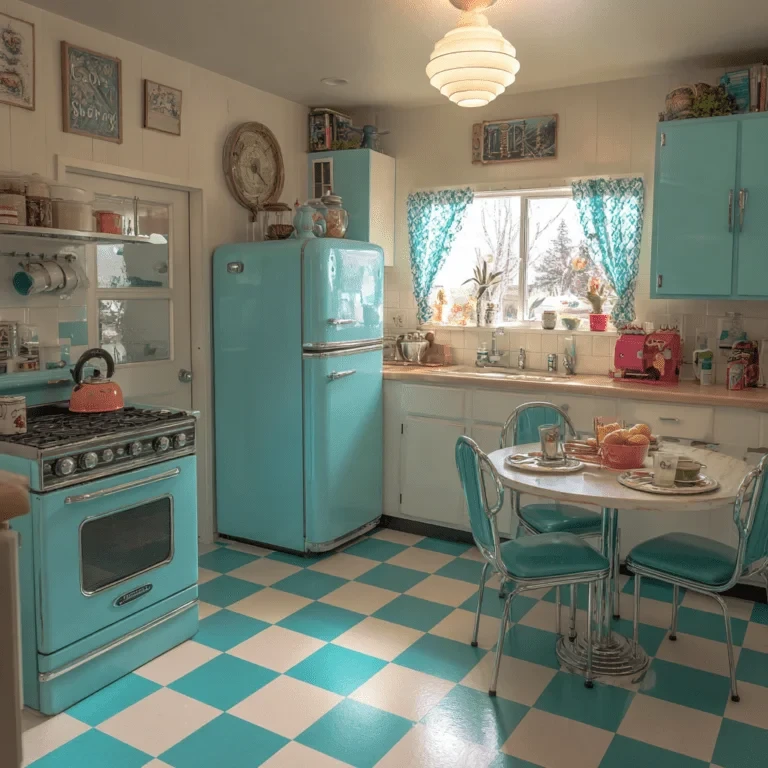
Vintage-inspired interiors are making a strong comeback, and colorful vinyl checkerboard flooring is one of the easiest ways to capture that nostalgic character. Shades like red and white, blue and cream, or green and ivory instantly bring energy into a room.
Modern vinyl flooring offers significant improvements over older materials. It is softer underfoot, budget-friendly, water-resistant, and available in peel-and-stick options for simple installation.
This flooring style works especially well in:
- Breakfast nooks
- Laundry rooms
- Home bars
- Playrooms
- Casual kitchens
Pair bold floors with neutral cabinetry and simple décor so the pattern remains the focal point.
3. Marble Checkerboard for Luxury Spaces

Marble checkerboard flooring brings timeless elegance to any interior. Combining white marble with darker stone such as black, gray, or deep green creates a sophisticated appearance that instantly elevates the room.
Natural stone reflects light beautifully while introducing unique veining that ensures every floor is one of a kind. This design fits particularly well in grand entryways, formal dining rooms, luxury bathrooms, and spacious hallways.
Because marble already provides strong visual interest, keep surrounding finishes simple. Clean architectural details, subtle wall colors, and understated furniture allow the flooring to shine without making the space feel overly busy.
Although marble requires periodic sealing, many homeowners find its lasting beauty well worth the extra care.
4. Painted Wood Checkerboard Floor
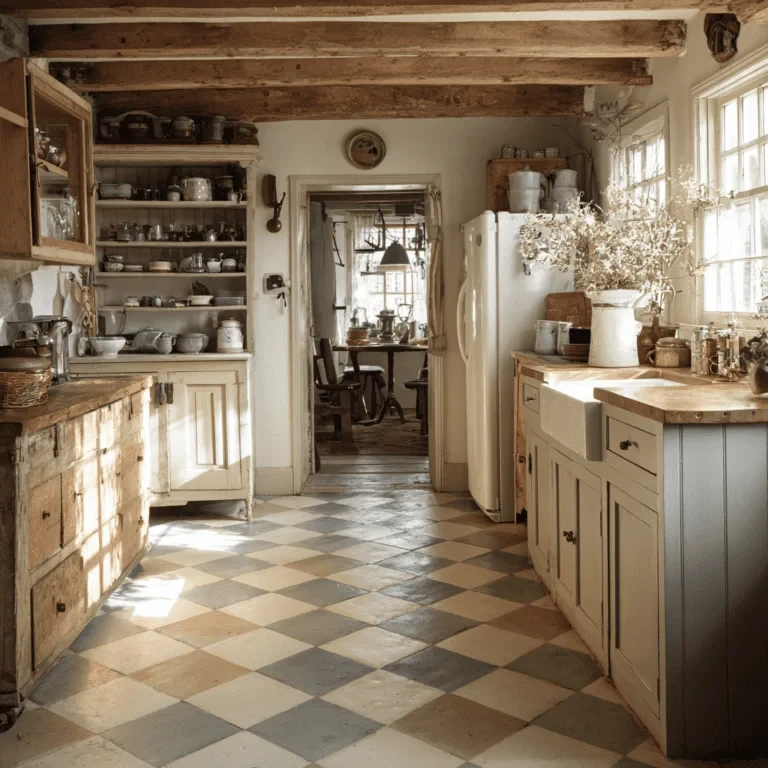
If you have existing hardwood floors, painting a checkerboard pattern can completely transform the room without replacing the flooring. This creative solution is ideal for older homes where the wood has already seen years of wear.
Choose durable floor paint in two complementary shades, carefully measure the squares, and seal the finished surface with a protective topcoat. The result is a custom design that feels charming and full of personality.
Popular color combinations include:
- White and soft gray
- Cream and sage green
- Black and white
- Beige and warm brown
- Navy and ivory
Painted checkerboard floors work particularly well in mudrooms, sunrooms, cottages, and farmhouse-inspired homes where character matters more than perfection.
5. Large-Scale Checkerboard for Modern Spaces
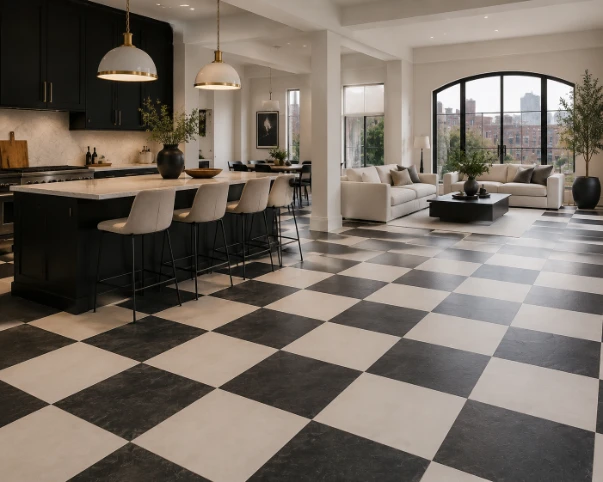
Traditional checkerboard floors often feature smaller tiles, but oversized squares create a much more contemporary appearance. Larger tiles reduce visual clutter while making open rooms feel even more spacious.
This approach is especially effective in:
- Open-concept living areas
- Modern kitchens
- Luxury bathrooms
- Loft apartments
- Minimalist homes
Keeping the color palette neutral—such as charcoal and light gray, beige and cream, or white and soft taupe—helps maintain a calm, sophisticated atmosphere.
Large-format checkerboard floors also reduce grout lines, making cleaning easier while giving the surface a cleaner, more seamless finish.
The result is a floor that honors a classic pattern while fitting effortlessly into today’s modern interiors.
6. Diagonal Checkerboard Layout
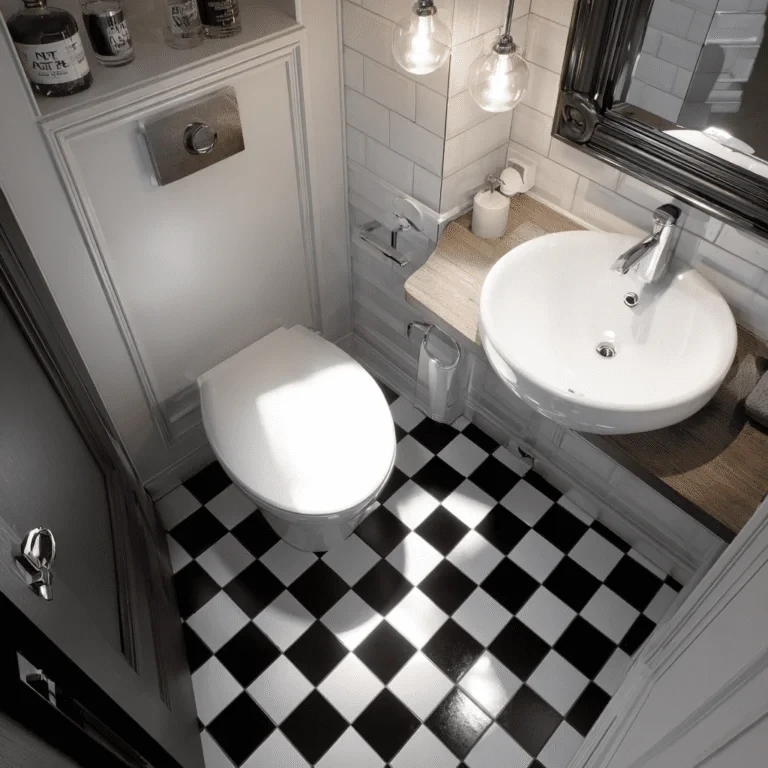
Changing the direction of a checkerboard pattern can completely transform its appearance. Instead of placing the squares parallel to the walls, rotate the design 45 degrees to create a diagonal layout. This simple adjustment adds movement and makes the room feel more dynamic.
A diagonal checkerboard floor is especially useful in narrow hallways, compact kitchens, and smaller entryways because it naturally draws the eye across the space. The angled lines create the illusion of a wider room while giving the floor a custom-designed look.
For a clean finish, use neutral tile colors and avoid overly busy wall patterns. The floor should remain the visual highlight while furniture and décor complement its geometry.
7. Concrete Checkerboard Staining
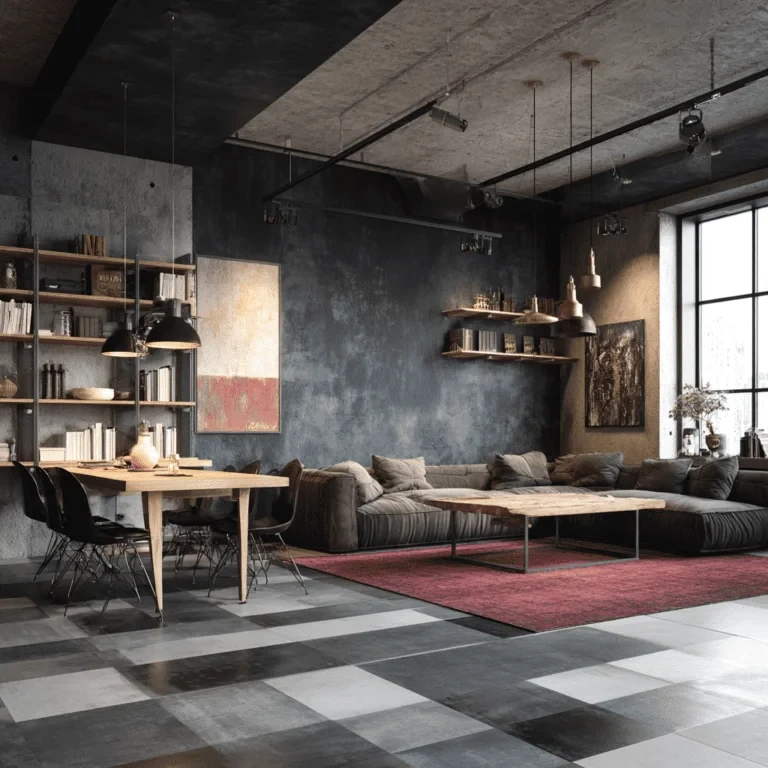
Concrete floors don’t have to look plain or industrial. With professional staining techniques, you can create a checkerboard pattern that feels modern, durable, and surprisingly elegant.
Instead of installing individual tiles, different stain colors are applied directly to the concrete surface. The result is a seamless floor with subtle variations that add depth without requiring grout lines.
This style works well in:
- Basements
- Modern homes
- Garages converted into living spaces
- Home studios
- Contemporary kitchens
Choose earthy shades like charcoal, warm gray, mocha, or sandstone for a sophisticated finish that ages beautifully over time.
8. Terrazzo and Solid Checkerboard Combination
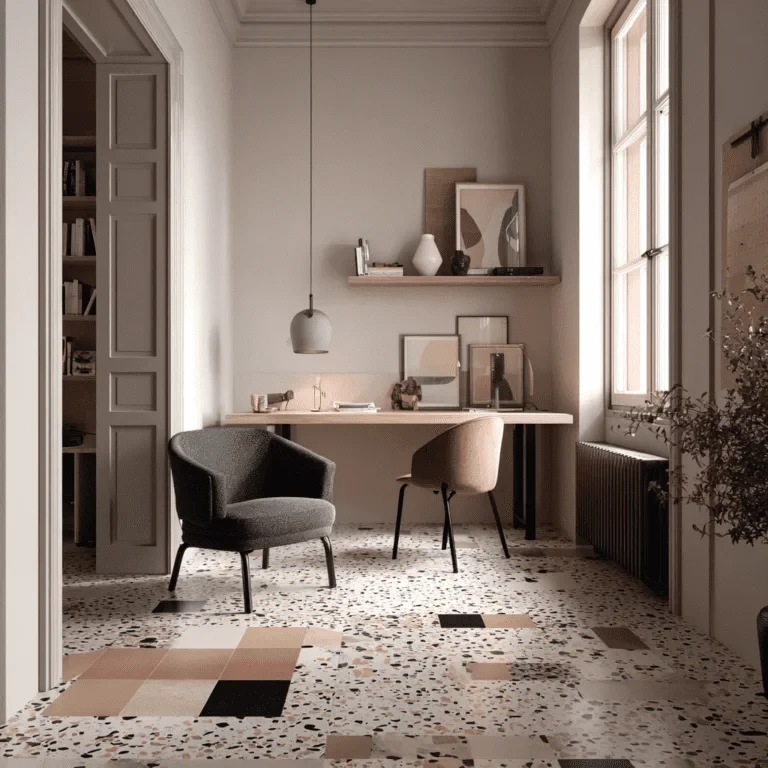
Combining terrazzo with solid-colored tiles creates a checkerboard floor that feels playful while remaining refined. The speckled texture of terrazzo introduces visual interest, while the solid tiles keep the overall design balanced.
This pairing works particularly well in homes that blend modern and mid-century influences. Since terrazzo contains small chips of marble, quartz, or glass, it naturally coordinates with many different color palettes.
Popular combinations include:
- White terrazzo with black tiles
- Gray terrazzo with white tiles
- Beige terrazzo with cream porcelain
- Soft ivory terrazzo with warm taupe
The mixed textures make the flooring feel layered without becoming overwhelming.
9. Subtle Tone-on-Tone Checkerboard
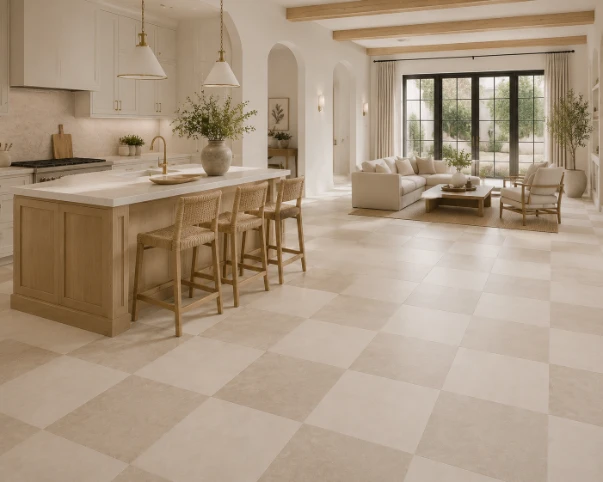
A checkerboard floor doesn’t always need bold contrast. Using two shades from the same color family creates a softer pattern that feels elegant and understated.
Think light beige paired with warm ivory, pale gray with medium gray, or soft taupe alongside cream. The pattern remains visible while blending naturally into the overall room design.
Tone-on-tone checkerboard floors are perfect for homeowners who appreciate classic patterns but prefer calm, minimalist interiors. They pair beautifully with natural wood furniture, linen fabrics, stone countertops, and neutral paint colors.
This approach also allows decorative pieces, artwork, and lighting fixtures to stand out without competing with the flooring.
10. Mixed Material Checkerboard
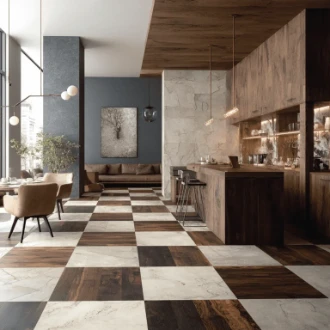
One creative way to personalize a checkerboard floor is by combining different flooring materials rather than relying on color alone. Mixing wood with stone, porcelain with marble, or concrete with terrazzo adds texture as well as contrast.
The difference in finishes creates a unique design that feels custom-made for the space. It also adds warmth, making large rooms feel more comfortable and inviting.
Materials that work well together include:
- Oak wood and marble
- Slate and limestone
- Porcelain and terrazzo
- Concrete and ceramic
- Travertine and polished stone
When combining materials, pay close attention to thickness and finish to ensure the final surface remains smooth and level.
A mixed-material checkerboard floor becomes more than just flooring—it becomes an architectural feature that adds character throughout the home.
The Timeless Flooring Pattern That Always Makes an Impact
Checkerboard flooring has remained popular for decades because it easily adapts to different design styles. Whether you prefer the bold contrast of black and white tiles, the elegance of marble, or the subtle charm of neutral tones, this classic pattern can add personality to almost any room.
The right checkerboard floor does more than improve the appearance of your home. It can make small spaces feel larger, create a welcoming first impression, and bring balance to both traditional and modern interiors. By choosing materials, colors, and layouts that match your home’s style, you can create a floor that looks beautiful for years to come.
As you plan your next renovation, think about how each room is used and the atmosphere you want to create. A carefully selected checkerboard design can become the feature that ties your entire space together while offering lasting durability and timeless appeal.
If you’re still deciding which option fits your home best, start with samples of different materials and color combinations. Seeing them in your own lighting makes it much easier to choose a checkerboard floor that complements your décor and reflects your personal style.