15 Rustic Home Decor Ideas for a Warm and Timeless Home
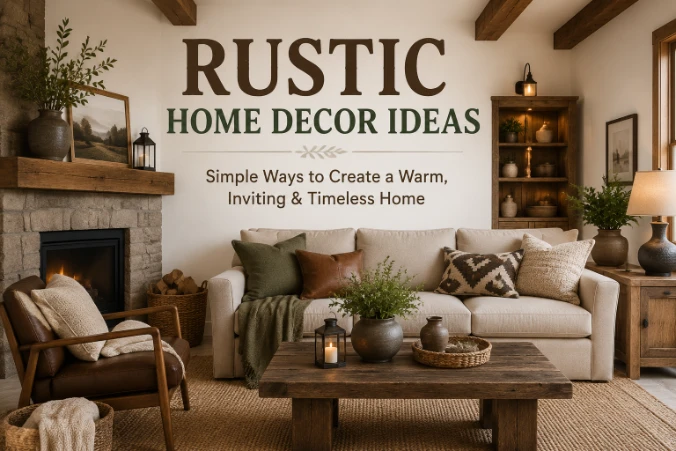
Rustic interiors have remained popular for one simple reason—they make a home feel comfortable. Instead of chasing short-lived design trends, rustic decorating focuses on natural materials, warm colors, and meaningful pieces that create spaces people genuinely enjoy living in.
The best part is that you don’t need a mountain cabin or a country farmhouse to achieve this look. Whether you live in a modern apartment, a suburban home, or a traditional house, rustic home decor ideas can easily blend with your existing style.
In this guide, you’ll find practical decorating ideas that help every room feel warmer, more inviting, and thoughtfully designed without making it look outdated or overcrowded.
1. Start With a Natural Palette (Then Warm It Up)

Every beautiful rustic room begins with a color palette inspired by nature. Soft neutrals create a calm foundation while warmer shades add personality and comfort.
Think about colors you would naturally find outdoors, including warm whites, creamy beige, sand, taupe, clay, olive green, soft gray, and rich brown.
After creating this neutral base, introduce warmth through furniture, textiles, and decorative accessories instead of painting every wall a dark color.
Simple ways to warm your palette include:
- Wooden furniture
- Linen curtains
- Woven baskets
- Leather accents
- Terracotta pottery
- Brass or bronze accessories
Keeping the walls neutral also allows seasonal decorations to stand out without overwhelming the room.
2. Layer Textures Like a Designer

One reason professionally designed rustic homes feel so inviting is their careful mix of textures. Instead of relying on bold colors, they combine different materials that naturally create visual interest.
Try mixing soft and rough finishes throughout the room.
For example:
- Chunky knit throws
- Woven rugs
- Cotton cushions
- Distressed wood
- Stone accessories
- Ceramic vases
- Iron candle holders
A sofa instantly feels more comfortable when layered with different fabrics instead of matching cushions.
Rather than filling the room with decorations, focus on combining textures that make the space feel balanced and welcoming.
3. Make Wood the Star (But Mix Your Species)
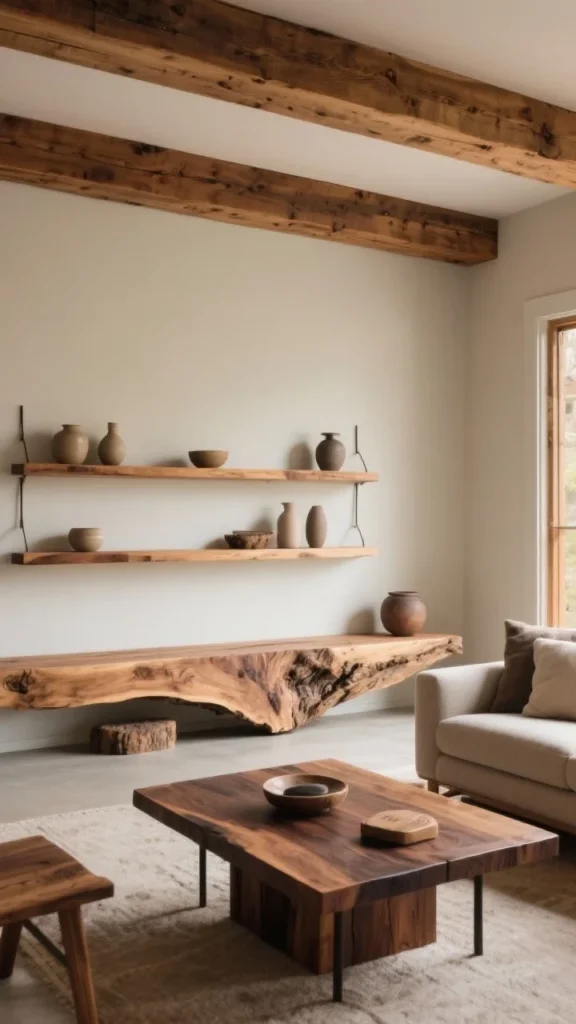
Wood is the heart of rustic interior design, but using only one wood tone can make a room feel flat.
Professional designers often combine several wood finishes to create depth while keeping everything cohesive.
For example, you might pair:
- Light oak flooring
- Walnut coffee table
- Reclaimed pine shelves
- Dark stained picture frames
The contrast adds character without making the room feel busy.
Natural grain, knots, and slight imperfections should remain visible because these details give wooden furniture its authentic charm.
If replacing furniture isn’t practical, even adding floating shelves, wooden trays, or handcrafted bowls introduces warmth without a major renovation.
4. Create a Cozy Lighting Mix

Lighting changes how every color and material appears inside a room.
Instead of depending on one bright ceiling fixture, layer several light sources throughout the space.
A comfortable rustic room often includes:
- Table lamps
- Floor lamps
- Wall sconces
- Pendant lighting
- Candles
- Lanterns
Choose warm white bulbs rather than cool daylight bulbs to create a softer atmosphere during the evening.
Dimmer switches also allow you to adjust the mood depending on the occasion, whether you’re entertaining guests or relaxing with a book.
Good lighting doesn’t just improve visibility—it completely changes how a home feels.
5. Style With Vintage Finds (Without the Clutter)

Vintage pieces help rustic interiors feel personal instead of looking like they came directly from a furniture showroom.
You don’t need expensive antiques. Many beautiful items can be found at local flea markets, thrift stores, estate sales, or family collections.
Consider displaying:
- Old books
- Wooden crates
- Antique clocks
- Ceramic pitchers
- Vintage mirrors
- Handmade baskets
- Aged picture frames
The key is editing carefully.
Instead of filling every shelf, choose only a few meaningful pieces that have different shapes and heights.
Leaving empty space around decorative objects makes each item stand out while keeping the room calm and organized.
6. Bring the Outdoors In (Literally)

Nature has always been part of rustic decorating.
Adding greenery instantly softens wooden furniture and creates a healthier, more welcoming atmosphere.
Large leafy plants work beautifully in living rooms, while herbs can brighten kitchens and dining areas.
Popular choices include:
- Olive trees
- Snake plants
- Pothos
- Eucalyptus
- Ferns
- Lavender
- Rosemary
Natural branches displayed in large ceramic vases also create a beautiful seasonal display without spending much money.
If maintaining live plants feels difficult, high-quality artificial greenery can still provide a natural look with minimal maintenance.
7. Lean Into Natural Fabrics
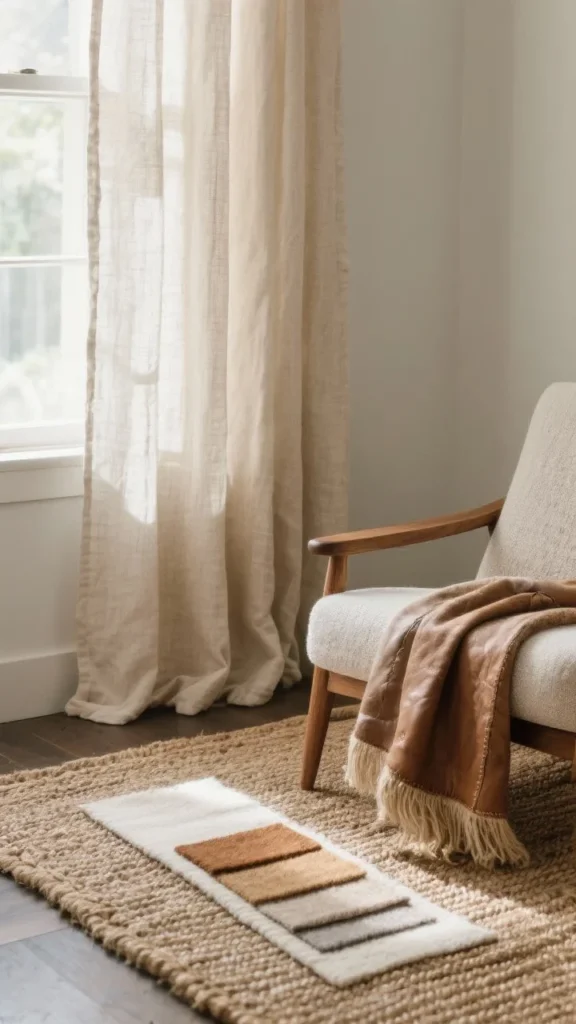
Fabric plays a major role in creating warmth throughout the home.
Instead of synthetic materials with a glossy finish, choose textiles made from natural fibers.
Excellent options include:
- Linen
- Cotton
- Wool
- Jute
- Leather
- Canvas
Mix these materials across curtains, bedding, cushions, rugs, and upholstered furniture.
Layering natural fabrics gives each room a relaxed appearance while remaining comfortable throughout the year.
Neutral fabrics also pair beautifully with wooden furniture, stone accents, and handcrafted accessories, helping the entire space feel connected rather than overly decorated.
8. Build a Rustic Mantel or Focal Shelf

Every room benefits from having one area that naturally catches the eye. In rustic decorating, a fireplace mantel, floating shelf, or console table often becomes that focal point.
Instead of filling every inch with decorations, arrange a few carefully selected pieces that vary in height, texture, and shape. This creates balance while allowing each item to stand out.
A simple rustic mantel might include:
- A large framed landscape or vintage artwork
- Wooden candle holders
- Handmade pottery
- A small stack of books
- Seasonal greenery
- Woven baskets nearby
Keep the arrangement flexible so you can refresh it throughout the year with seasonal branches, flowers, or holiday accents without redesigning the entire room.
9. Add Stone, Brick, Or Concrete Accents
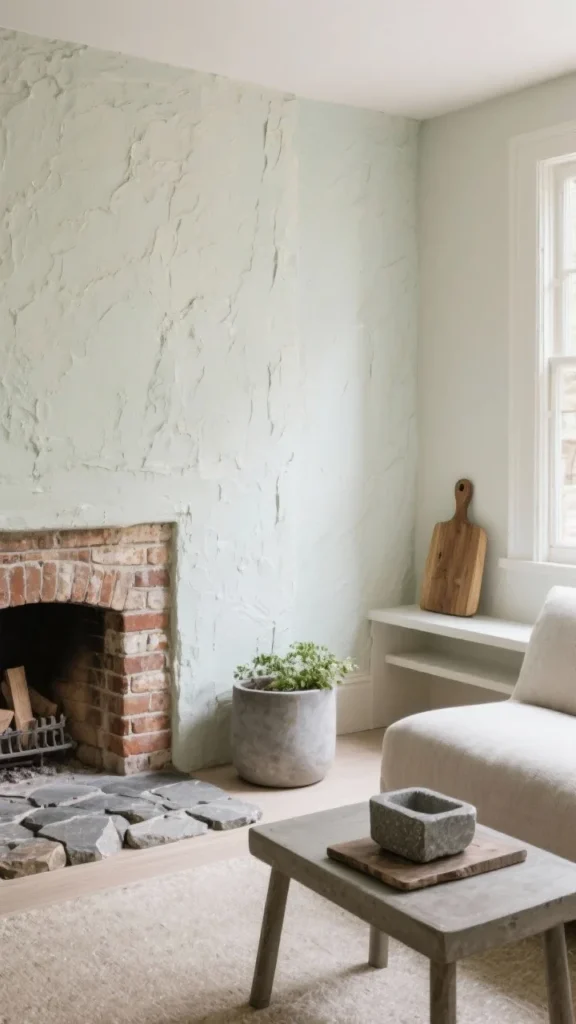
Rustic interiors are not only about wood. Natural stone, exposed brick, and concrete introduce texture that makes a room feel grounded and timeless.
Even if your home doesn’t have original architectural features, you can still introduce these materials through smaller decorative elements.
Ideas include:
- Stone fireplace surrounds
- Brick accent walls
- Concrete planters
- Marble trays
- Stone table lamps
- Natural slate coasters
Mixing these surfaces with wood creates visual contrast while maintaining the relaxed character that defines rustic interiors.
The goal isn’t to make the room feel industrial but to add authentic materials that age beautifully over time.
10. Embrace Imperfection With Patina
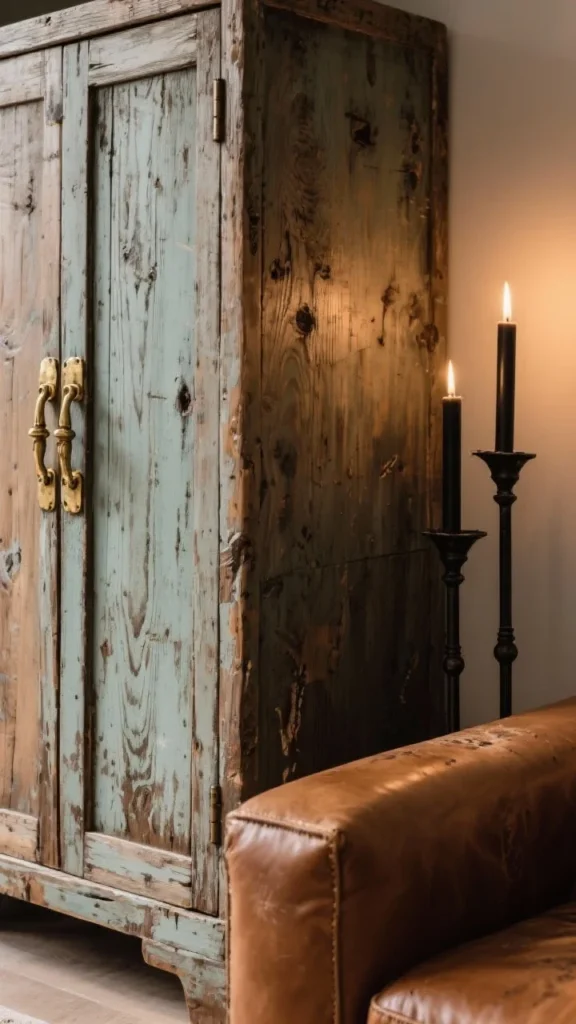
One of the most appealing parts of rustic decorating is that everything doesn’t have to look brand new.
Scratches, weathered finishes, faded paint, and aged metals often add more personality than perfectly polished surfaces.
Patina develops naturally as materials age and tells a story about how an item has been used over time.
Instead of replacing older furniture immediately, consider restoring it while preserving its original character.
Pieces that often look even better with age include:
- Wooden dining tables
- Leather chairs
- Brass hardware
- Copper accessories
- Vintage mirrors
These subtle imperfections help create a home that feels lived in rather than staged.
11. Curate Rustic Art And Wall Decor
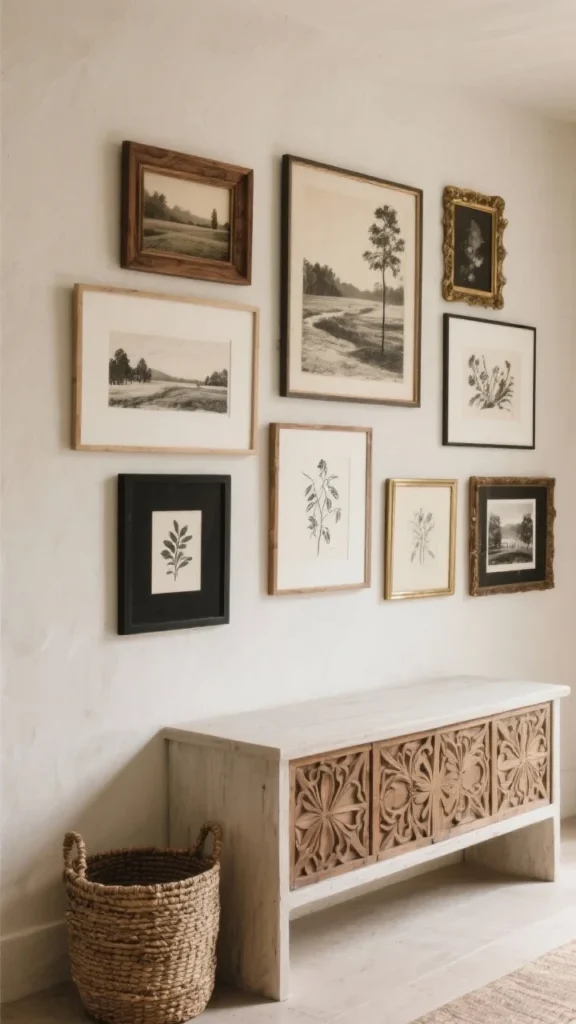
Wall decor should reflect your personality while complementing the overall design.
Rather than covering every wall with artwork, choose a few larger pieces that create impact.
Popular rustic wall decor includes:
- Landscape paintings
- Botanical prints
- Vintage maps
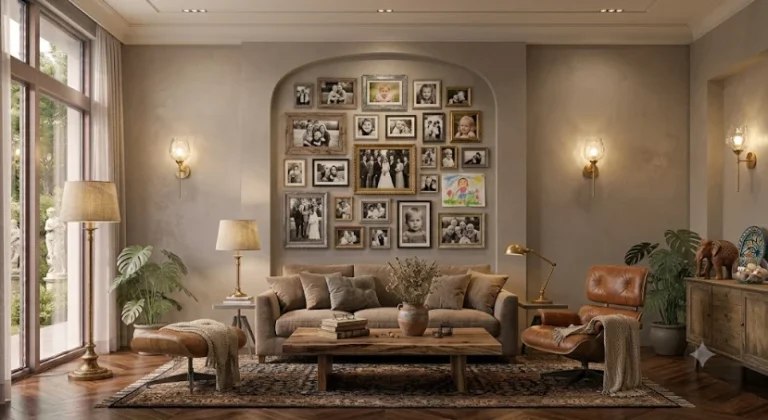
- Black and white photography
- Wooden wall panels
- Handmade woven art
- Antique mirrors
Gallery walls can also work well when the frames share similar colors or materials.
Remember that empty wall space is just as important as decorated space. Giving artwork room to breathe creates a cleaner and more elegant appearance.
12. Cozy Up With Layers In The Bedroom

The bedroom should feel calm, comfortable, and inviting at the end of the day.
Layering different materials creates a cozy atmosphere without adding unnecessary clutter.
Start with quality bedding in neutral colors, then build additional comfort through texture.
Try combining:
- Linen duvet covers
- Cotton sheets
- Chunky knit blankets
- Quilted throws
- Accent cushions
- Woven rugs beside the bed
Wooden nightstands, warm bedside lamps, and soft curtains complete the room while maintaining a relaxed rustic style.
Adding only a few meaningful decorative pieces helps the bedroom remain peaceful and organized.
13. Elevate The Kitchen With Honest Materials
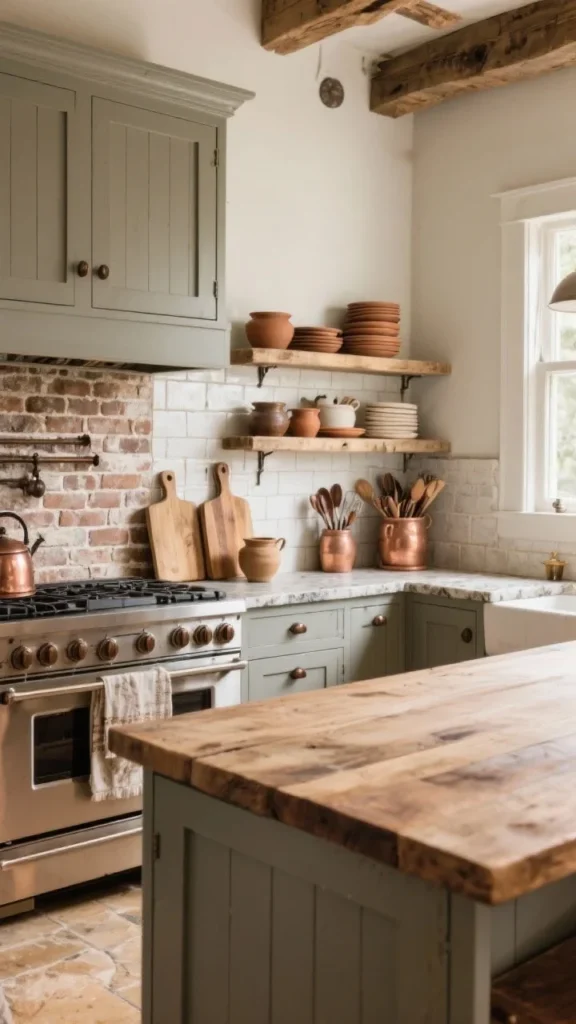
The kitchen is one of the easiest places to introduce rustic style because natural materials already belong there.
Wood, stone, ceramic, and metal all work together beautifully.
Simple updates include:
- Wooden cutting boards on display
- Open shelving
- Handmade ceramic bowls
- Glass storage jars
- Copper cookware
- Butcher block countertops
- Woven baskets for produce
Even small details like matte cabinet hardware or vintage-inspired lighting can change the overall feel of the space.
Choose practical items that also contribute to the overall design instead of storing everything behind cabinet doors.
14. Style Entryways And Hallways For Impact

Your entryway creates the first impression of your home.
A thoughtfully designed entrance immediately makes guests feel welcome while providing practical storage for daily essentials.
Include functional pieces such as:
- A reclaimed wood bench
- Coat hooks
- Woven baskets
- A console table
- Large mirror
- Ceramic vase with seasonal branches
Soft lighting and a textured runner rug make even narrow hallways feel warmer and more inviting.
Avoid overcrowding the space. A few well-chosen pieces often create a stronger impression than excessive decorations.
15. Finish With Scent, Sound, And Small Rituals
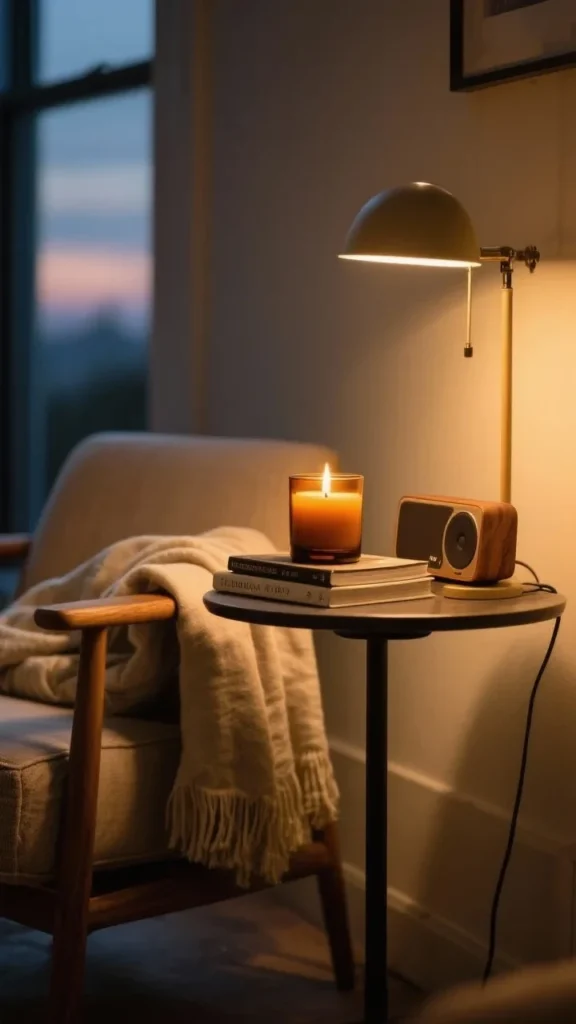
Beautiful interiors appeal to more than just the eyes.
Adding subtle scents and calming sounds helps create an atmosphere that feels relaxing every day.
Simple additions include:
- Soy candles
- Essential oil diffusers
- Fresh eucalyptus
- Cedarwood fragrance
- Soft instrumental music
- Crackling fireplace sounds
- Fresh flowers
Daily rituals such as enjoying morning coffee by the window or reading under warm lighting make a house feel more like home.
These small details often leave the strongest impression because they create experiences, not just visual beauty.
Quick Room-By-Room Rustic Ideas
Living Room
Choose wooden furniture, layered rugs, soft throws, and warm lighting to create an inviting gathering space.
Kitchen
Display wooden cutting boards, ceramic dishes, woven baskets, and natural stone accessories for everyday charm.
Dining Room
Use a solid wood dining table, linen table runner, simple centerpieces, and comfortable upholstered chairs.
Bedroom
Layer neutral bedding with textured blankets, wooden furniture, and soft bedside lighting.
Bathroom
Introduce wooden shelves, stone soap trays, wicker storage baskets, fluffy cotton towels, and greenery for a relaxing spa-like feel.
Entryway
Keep the space functional with a bench, storage baskets, coat hooks, and warm decorative lighting.
Budget-Friendly Rustic Swaps
Creating a rustic home doesn’t require replacing everything at once.
Affordable upgrades include:
- Replace plastic baskets with woven baskets.
- Swap synthetic cushions for linen or cotton covers.
- Add wooden trays to coffee tables.
- Display thrifted pottery.
- Replace shiny hardware with matte black or antique brass.
- Add inexpensive indoor plants.
- Use warm LED bulbs throughout the home.
- Style second-hand wooden furniture instead of buying new.
Small changes made gradually often create a more authentic result than purchasing an entire matching furniture collection at once.
Common Rustic Decor Mistakes To Avoid
While rustic decorating is relaxed, a few mistakes can make the space feel heavy or outdated.
Avoid these common problems:
- Using too much dark wood.
- Decorating every surface.
- Buying matching furniture sets.
- Ignoring proper lighting.
- Mixing too many decorating styles without balance.
- Using fake distressed finishes excessively.
- Forgetting comfort while focusing only on appearance.
Keeping the design simple allows natural materials to become the main feature.
How To Keep Rustic Feeling Fresh
Rustic interiors stay timeless when they continue evolving naturally.
Refresh your home by:
- Rotating seasonal greenery.
- Changing cushion covers.
- Updating artwork occasionally.
- Mixing modern accessories with vintage finds.
- Rearranging shelves every few months.
- Adding fresh flowers.
- Introducing subtle color changes through textiles instead of furniture.
These small updates keep your home feeling current while preserving its warm and welcoming character.
Conclusion
Rustic home decor is about creating spaces that feel welcoming, comfortable, and filled with character. By combining natural materials, warm colors, layered textures, and meaningful decorative pieces, you can build a home that feels timeless rather than trendy.
You don’t need a complete renovation to achieve this style. Start with one room, introduce wood, natural fabrics, warm lighting, and thoughtfully chosen accessories, then build from there. Over time, these simple updates create a home that reflects your personality while remaining practical for everyday living.
The most successful rustic interiors aren’t perfect—they feel lived in, loved, and designed to be enjoyed every single day.