20 Pastel Bedroom Ideas for a Soft, Stylish Retreat

A bedroom should feel restful the moment you walk through the door, and a pastel color palette makes that feeling easy to create. Soft pink, powder blue, muted lavender, pale green, creamy yellow, and warm peach can bring color into the room without the visual weight of very saturated shades.
The key to a beautiful pastel bedroom is balance. Rather than covering every surface in color, combine gentle shades with warm whites, natural wood, soft fabrics, and a few darker accents. This keeps the room fresh and grown-up while still giving it plenty of personality.
Whether you are refreshing a small bedroom, creating a romantic retreat, or simply want a lighter color scheme, these pastel bedroom ideas offer practical ways to use color through walls, bedding, furniture, lighting, artwork, and accessories.
How to Make a Pastel Bedroom Look Sophisticated
Pastels can look elegant when the colors are slightly muted and repeated thoughtfully throughout the room. Start with one main shade, choose one or two supporting colors, and let neutral tones provide breathing room. For example, dusty pink works beautifully with warm white and pale beige, while powder blue pairs naturally with ivory and light oak.
Texture also matters. Linen bedding, boucle seating, woven baskets, soft rugs, ribbed glass, and natural wood keep a pastel room from feeling flat. Warm lamps and layered textiles add comfort once the natural light fades.
20 Pastel Bedroom Ideas
1. Powder Blue Walls With Warm White Trim
Powder blue walls create a calm backdrop that feels airy without making the bedroom look plain. Pair the color with warm white trim, an ivory upholstered bed, and light oak furniture for a relaxed combination.
Keep the blue slightly muted rather than choosing a bright sky blue. Cream bedding and a neutral rug can soften the overall palette, while brushed brass or aged bronze hardware adds a refined finishing touch.
2. Blush Pink and Cream Bedding

If you want to introduce pastel color without repainting the room, start with the bed. A blush pink duvet or quilt layered over cream sheets gives the bedroom a gentle focal point while keeping the walls neutral.
Add two or three pillows in related shades rather than matching every piece. A textured throw at the foot of the bed can add dimension and make the setup feel more inviting.
3. Sage Green With Natural Wood

Pale sage green is an easy pastel choice for anyone who wants a more natural bedroom palette. It works especially well with oak, rattan, cane, linen, and other organic materials.
Use sage on the walls or in the bedding, then keep larger furniture pieces in natural wood. Cream curtains and a woven rug can connect the colors while giving the room a relaxed, grounded character.
4. Lavender Bedroom With Soft Neutrals

Lavender brings a subtle romantic quality to a bedroom without requiring a traditionally feminine design. A dusty lavender wall, upholstered headboard, or duvet can become the main color while beige and ivory keep the room balanced.
For a modern finish, choose simple furniture with clean lines and limit decorative patterns. A ceramic table lamp and a small piece of abstract artwork can complete the look.
5. Pastel Peach Accent Wall

Soft peach can make a bedroom feel warm and welcoming, particularly in rooms that receive cooler natural light. Instead of using it on every wall, create a single accent wall behind the bed.
Balance the peach with warm white bedding, pale wood, and oatmeal-colored textiles. The result is cheerful without becoming overly bright.
6. Mix Two Pastels With a Neutral Base
You do not have to choose only one pastel color. A controlled combination of two shades can create a more layered bedroom. Try dusty pink with pale sage, lavender with powder blue, or soft peach with muted green.
Use warm white, cream, or light beige as the dominant neutral. This prevents the colors from competing and gives each pastel enough visual space.
7. Pastel Upholstered Headboard

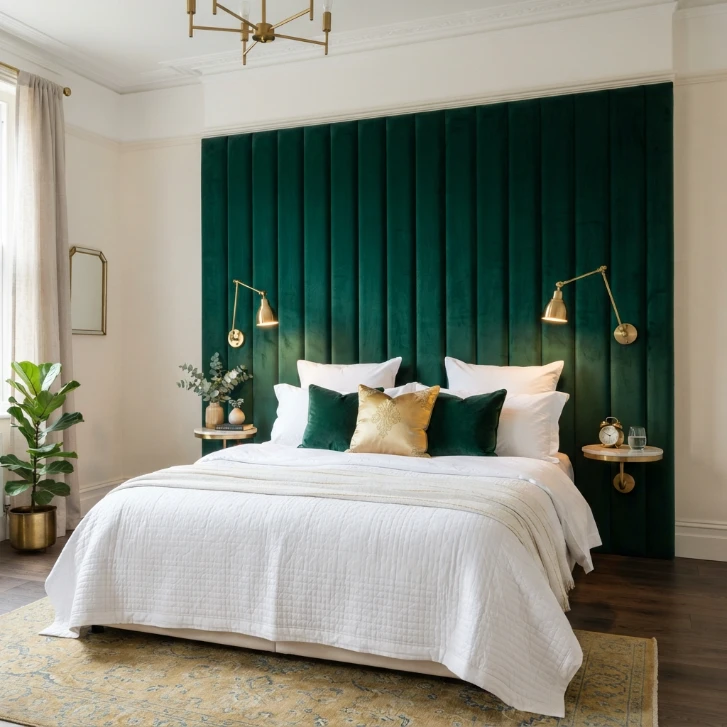
An upholstered headboard is a practical way to make a pastel color the star of the room. Choose dusty rose, muted mint, pale blue, or soft lavender in linen, cotton, or velvet.
Keep the surrounding furniture understated so the headboard remains the focal point. Matching the headboard to a small cushion or throw is enough to connect the color across the room.
8. Soft Pastel Floral Wallpaper

Pastel floral wallpaper can add pattern and personality while maintaining a quiet atmosphere. Look for designs with plenty of background space and small-scale flowers instead of a very busy print.
Use the wallpaper behind the bed and keep the remaining walls simple. Solid bedding in one of the wallpaper colors will make the pattern feel intentional rather than crowded.
9. Pastel Bedding With Layered Textures

Different fabrics can make a simple pastel palette feel much richer. Combine cotton sheets, a quilted coverlet, a knitted throw, and linen or boucle pillows in complementary soft shades.
Texture is especially useful when the colors are subtle because it creates visual interest without adding stronger patterns. Keep the palette within three or four related tones for a polished result.
10. Mint Green Nightstands

Small furniture pieces are a low-commitment way to bring pastel color into a bedroom. A pair of muted mint nightstands can add personality beside a neutral bed without taking over the room.
Choose simple hardware in brass, nickel, or aged metal. Repeat a small amount of mint in the artwork, bedding, or accessories so the nightstands feel connected to the rest of the design.
11. Pastel Rug Under the Bed

A soft pastel rug can introduce color from the floor upward. Blush, pale blue, lavender, and muted green are all suitable choices, especially when the rest of the bedroom is neutral.
For a sophisticated look, choose a rug with a faded pattern or subtle variation instead of a perfectly solid block of color. Make sure the rug extends beyond the sides of the bed so the room feels visually anchored.
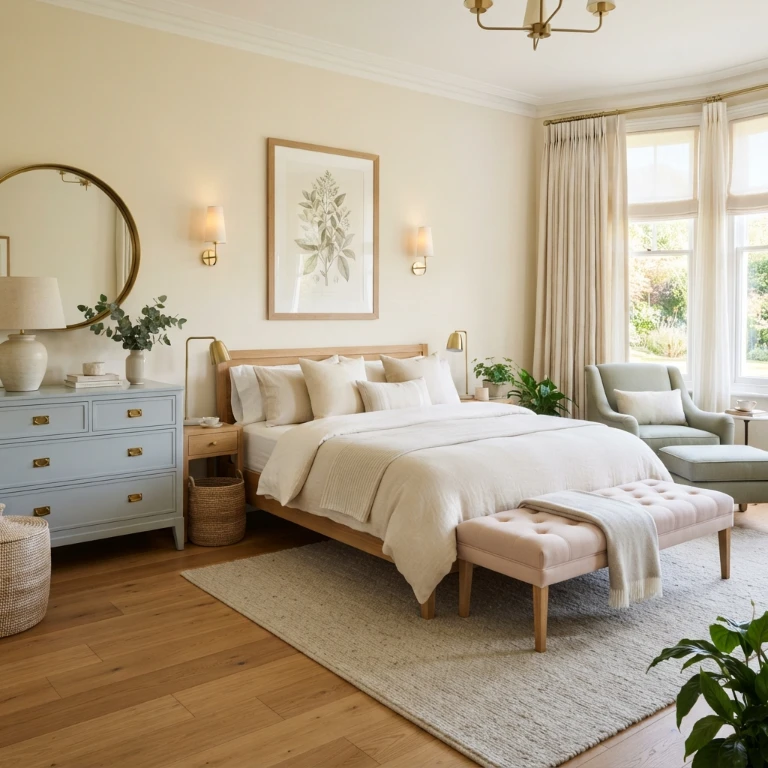
12. Cream Walls With Pastel Accent Furniture

Warm cream walls provide an excellent backdrop for pastel furniture. A pale blue dresser, blush bench, or sage green chair can add color while keeping the overall bedroom bright.
This approach is useful if you like changing your decor because smaller furniture pieces are easier to repaint or replace than wall finishes. Keep the largest furniture pieces neutral and use pastel accents selectively.
13. Pastel Canopy Bed With Airy Curtains

A canopy bed can give a pastel bedroom a soft, elegant focal point. Choose a light wood or painted frame and surround it with sheer ivory curtains rather than heavy fabric.
Bring pastel color through the bedding, cushions, or a small upholstered bench. The open structure keeps the room from feeling visually heavy while the fabric adds movement and softness.
14. Pastel Gallery Wall

Artwork is an easy way to build a pastel color story without committing to a specific paint color. Create a small gallery wall using botanical prints, abstract shapes, delicate landscapes, or minimalist illustrations with soft pink, blue, green, and lavender tones.
Use frames in one or two finishes to keep the arrangement cohesive. Leave enough wall space around the collection so the artwork feels curated instead of crowded.
15. Pastel Boucle Reading Chair

A comfortable chair can turn an unused bedroom corner into a useful reading spot. Choose a boucle or textured upholstered chair in pale blush, cream, muted blue, or sage.
Add a small round side table and a warm floor lamp. A simple setup like this gives the bedroom another functional zone while introducing pastel color in a controlled way.
16. Pastel Curtains With Natural Light

Light curtains in blush, dusty blue, sage, or pale lavender can change the atmosphere of a bedroom while keeping the walls neutral. Sheer or lightweight fabrics allow daylight to pass through and make the colors look soft.
Hang curtains close to the ceiling and let them fall to the floor to create a taller, more finished appearance. Pair them with cream bedding and natural wood for a relaxed look.
17. Pastel Paneling Behind the Bed

Wall paneling gives a pastel color more architectural interest. Paint simple vertical or rectangular paneling in a muted shade and use it as a feature behind the bed.
This works particularly well with cream walls, simple bedding, and understated lighting. The panel detail creates depth without needing wallpaper or a complicated mural.
18. Pastel and Brass Bedroom Details

Soft colors can look especially polished when paired with warm metal accents. Add brass through bedside lamps, drawer pulls, a mirror frame, or a small decorative object.
Keep the brass limited to a few repeated details. Too much metallic finish can compete with the calm quality of the pastel palette, while small touches create a more refined effect.
19. Pastel Bedroom With Dark Contrast

A pastel bedroom does not have to be completely light. A small amount of charcoal, espresso brown, or matte black can provide contrast and make pale colors look more intentional.
Try black picture frames, dark wood furniture, or a slim metal light fixture. The darker elements should act as accents rather than dominate the room.
20. Soft Pastel Layered Bedroom

For a complete pastel look, combine several of the ideas above into one cohesive scheme. Start with a neutral foundation, add one main pastel shade, then bring in a second color through textiles and accessories.
For example, pair warm ivory walls with a dusty pink upholstered headboard, pale sage bedding accents, light oak nightstands, a faded pastel rug, and warm bedside lighting. The colors feel connected without making every item match.
How to Choose the Right Pastel Colors for Your Bedroom
Look at the natural light before choosing paint or large textile colors. North-facing rooms can benefit from warmer pastels such as blush, peach, creamy yellow, and warm beige. Rooms with strong afternoon sunlight can handle cooler shades such as dusty blue, sage, and lavender.
It also helps to test a sample on the actual wall. Pastel paint can look noticeably different in morning, afternoon, and evening light. If the shade feels too bright, a more muted or gray-toned version will usually create a calmer result.
How to Keep a Pastel Bedroom From Looking Too Childlike
Pastel colors can feel mature and sophisticated when the furniture, materials, and proportions are carefully chosen. Use natural wood, linen, stoneware, tailored curtains, simple lighting, and clean-lined furniture to give the room an adult feel.
Avoid making every element the same pastel shade. Contrast is important. Cream, beige, walnut, brushed metal, and a small amount of black can give the room structure and prevent it from looking overly sweet.
Simple Pastel Bedroom Color Combinations
- Blush pink + warm white + light oak: soft and welcoming.
- Powder blue + ivory + natural wood: airy and peaceful.
- Sage green + cream + rattan: relaxed and organic.
- Lavender + beige + brass: elegant and romantic.
- Peach + oatmeal + pale wood: warm and cheerful.
- Mint + white + light gray: fresh and contemporary.
Final Thoughts
The best pastel bedroom is not necessarily the one with the most color. A successful design uses gentle shades as part of a larger composition that includes texture, contrast, natural materials, and comfortable furniture.
Start with one area that needs attention, such as the wall behind the bed, the bedding, or a small piece of furniture. Once that color feels right, repeat it in two or three smaller details. This creates a coordinated bedroom that feels calm, personal, and easy to live with.